
Why Mississippi Works for Midwest Hunters
Top Species to Hunt
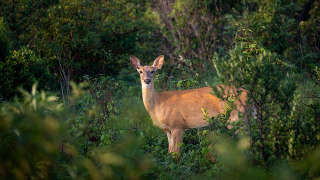
Mississippi is often called a sportsman’s paradise. The state holds an estimated 1.75 million white-tailed deer, one of the highest deer densities in the U.S. Deer hunting is strong from the rich Delta croplands to the southern pine woods.
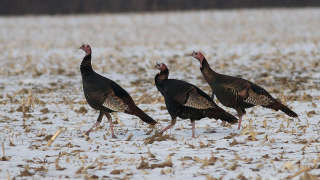
Eastern wild turkey is a close second. Long spring seasons, rolling hills, and big blocks of timber make turkey hunting a major draw. Waterfowl is the third pillar. Mississippi sits in the heart of the Mississippi Flyway and winters large numbers of ducks, especially in the Delta. Small game (squirrels, rabbits) and feral hogs round out the mix.
Long Seasons & Milder Winters
Compared to the upper Midwest, Mississippi has a much longer deer season and a generous turkey season. Winters are mild. That means more huntable days, easier travel in late fall and winter, and more chances to justify owning your own place.
For many Chicago-area hunters, Mississippi becomes a second “home season” when the snow and ice shut things down up north.
Habitat & Land Value
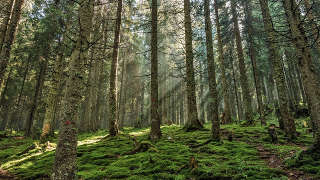
Much of Mississippi is a mix of pine and hardwood timber, creek bottoms, and farm ground. This is ideal whitetail and turkey habitat and can also carry timber value.
In many areas, per-acre prices are still lower than what you would pay for good hunting land in Illinois, Wisconsin, or Minnesota, especially when you factor in the added timber and lease potential.
Top Hunting Regions in Mississippi
Mississippi Delta (Northwest)
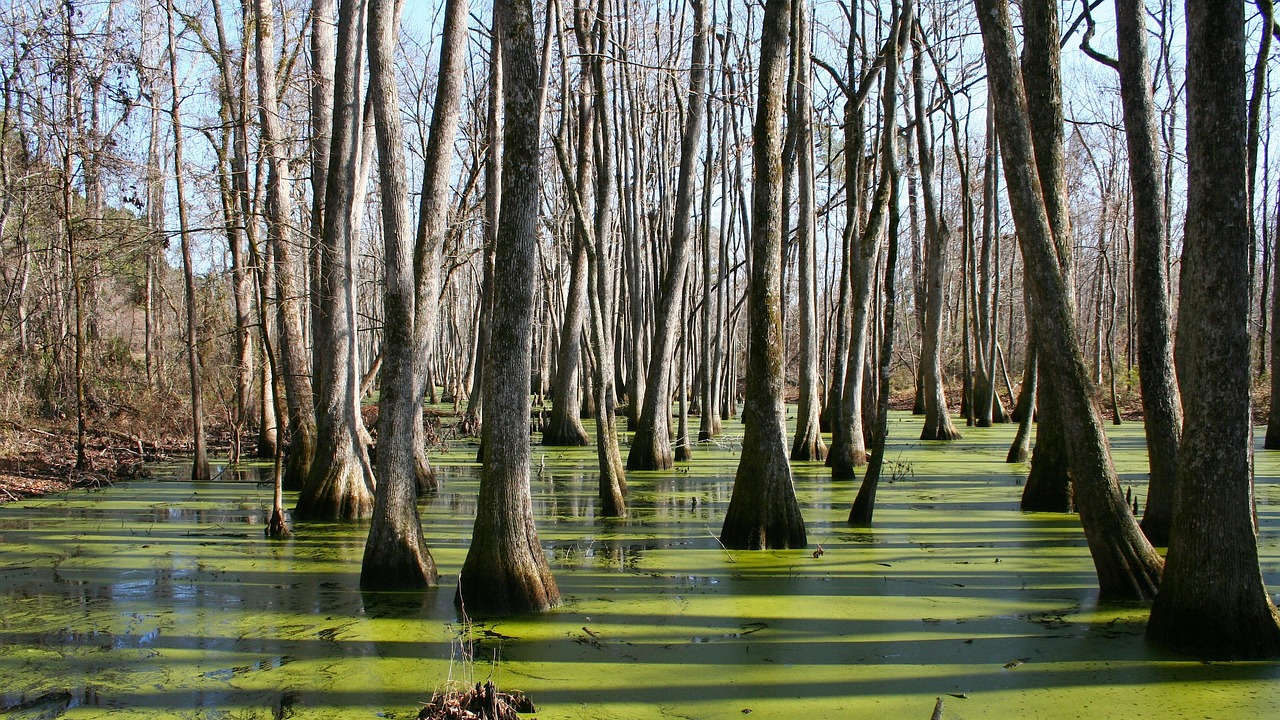
The Delta is a flat alluvial plain between the Mississippi and Yazoo Rivers. Fertile soils, big ag fields, and hardwood swamps create standout deer and duck hunting.
Counties like Issaquena, Yazoo, Bolivar, and Sunflower regularly rank high for deer harvest and trophy bucks. Flooded rice and soybean fields, brakes, oxbow lakes, and catfish ponds hold huge concentrations of wintering ducks. Public areas and refuges provide access, while private leases and duck camps are common.
Southwest Mississippi & Homochitto Hills
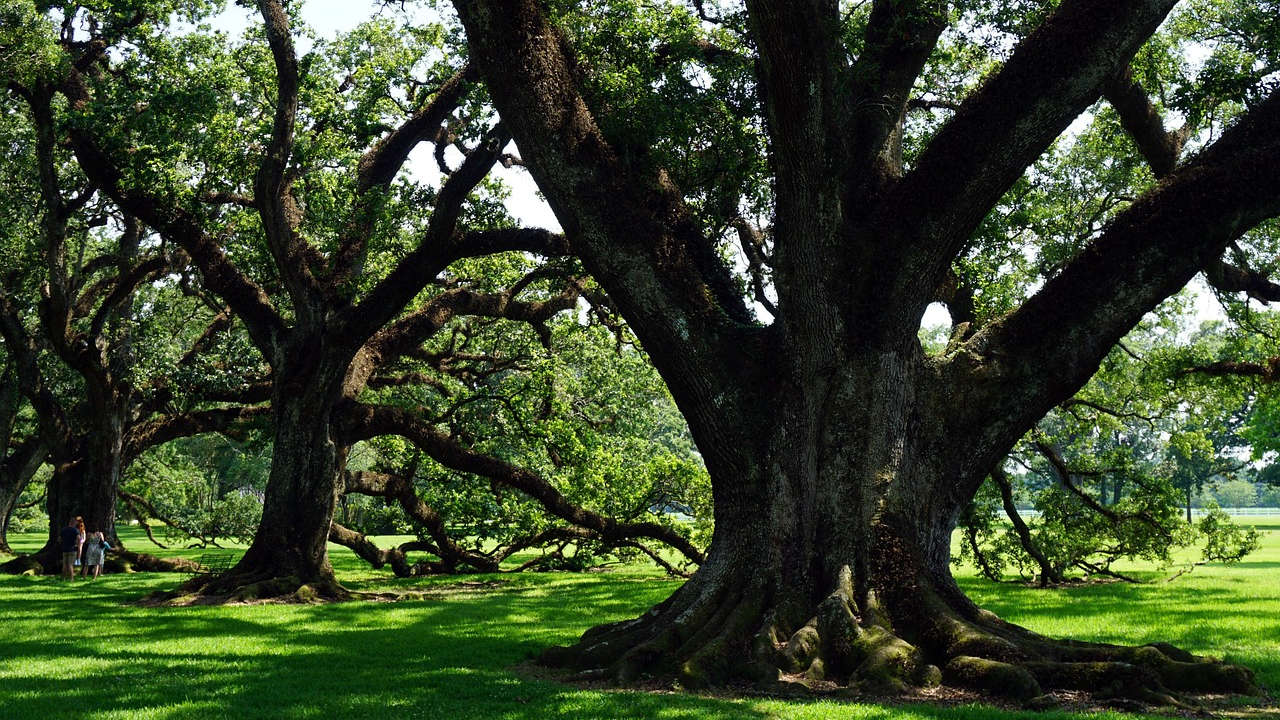
Southwest Mississippi, from south of Vicksburg and Jackson to the Louisiana line, is classic hill country with rolling timber and deep creek bottoms.
Homochitto National Forest covers roughly 190,000 acres across several counties and offers some of the best turkey habitat in the state plus solid deer hunting. River bottoms along the Big Black and Homochitto Rivers have produced many record-class bucks. Long-standing deer camps, a mix of national forest and private timberland, and strong turkey numbers make this a prime region.

Central & North-Central Mississippi
Central Mississippi is a patchwork of farms, pine-hardwood timber, and national forest. Bienville National Forest alone covers around 180,000 acres and supports good turkey and deer hunting through several WMAs.
Farther north, Holly Springs National Forest and Tombigbee National Forest add upland hardwood and pine terrain that consistently holds strong turkey numbers and healthy deer herds. The Black Prairie in east-central Mississippi has fertile ground, quail history, and good deer and turkey hunting near places like Noxubee National Wildlife Refuge.
Coastal marsh areas also offer unique duck hunting and drawn alligator hunts in some years. But for most Midwest buyers, the Delta, Southwest hills, and central/north-central regions cover the core mix of deer, turkey, and waterfowl.
Land Features That Matter in Mississippi
When you shop for a tract from out of state, focus on how the ground hunts, not just how it looks. In Mississippi, small changes in soil, timber, and water can make a big difference in game use.
Timber Mix & Cover
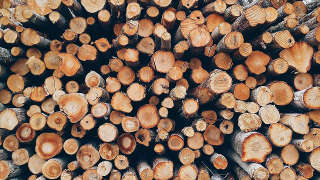
Ideal hunting land often blends pine plantations, hardwood drains, and patches of younger, thicker regeneration. Mature hardwoods provide mast and open woods. Thicker pine and cutovers provide bedding cover and daytime security for deer.
Water & Flooding
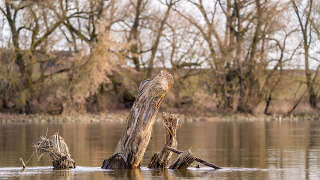
Creeks, sloughs, oxbows, and beaver ponds are magnets for wildlife and set up well for duck holes and travel corridors. In the Delta and along major rivers, check floodplain maps and ask how often the property floods and how long water stays.
Access, Soils & Food Plots
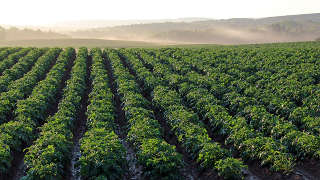
Look for solid road access that holds up in wet seasons, not just dry weather. Soil type affects both timber growth and food plot success. Loamy and silt soils are easier to plant than pure sand or tight clay. Room for a few small plots near bedding and travel routes adds real hunting value.
Seasons, Rut Timing, and Hunting Rules
Mississippi’s hunting regulations are set by the state wildlife agency. Exact dates and zones can change and should always be checked before you hunt, but here is the general picture.
Deer Seasons & Rut Waves
Mississippi is divided into several deer management zones, including the Delta, Hill, and Southeast zones. Season structures differ slightly by zone and weapon type (archery, primitive weapon, and gun).
The state also offers an early velvet buck archery hunt on private land in certain zones. Bag limits are generous, often allowing multiple bucks and several antlerless deer per year, with antler restrictions in some areas. Rut timing shifts across the state, which can stretch your hunting window.
Turkey, Waterfowl & Licenses
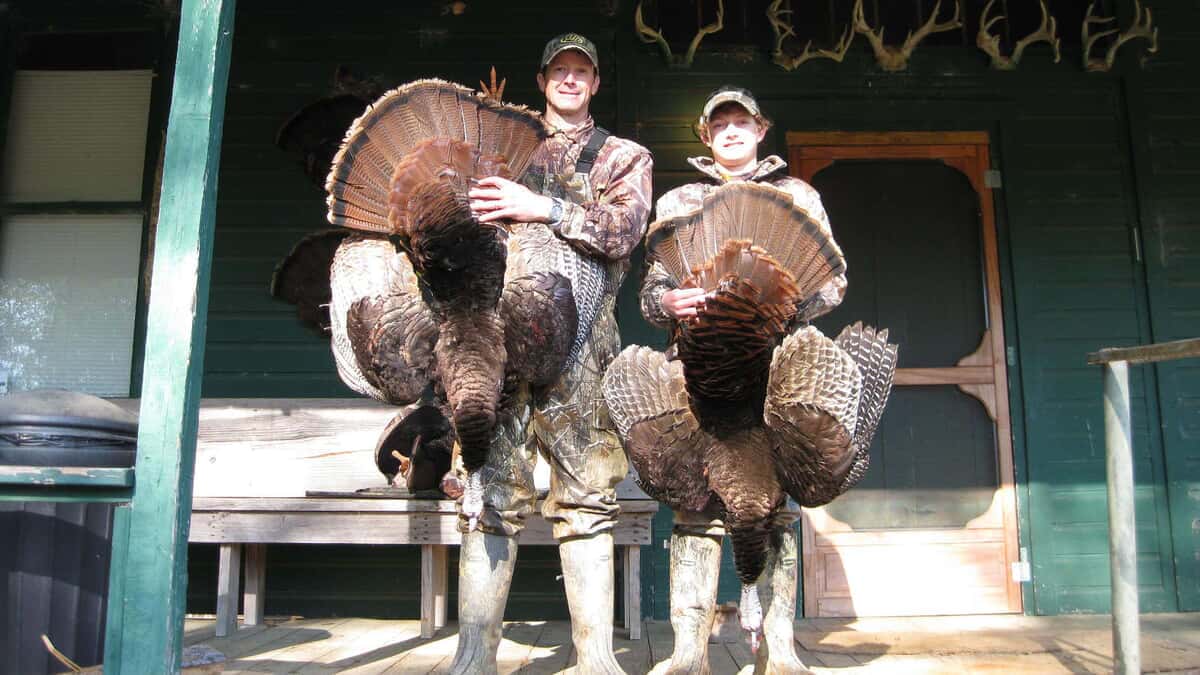
Spring turkey season usually runs from mid-March through late April or very early May. A state hunting license and turkey permit are required. Many national forest and WMA tracts are known for strong gobbler numbers.
For waterfowl, you will need a state license, state waterfowl stamp, and federal duck stamp. Many WMAs and some refuges offer excellent duck hunting through open hunts or draw systems.
Public lands such as Wildlife Management Areas (WMAs), national forests, and refuges often have special rules, check-in systems, and draw hunts. Each WMA can have its own season dates and weapon restrictions. Always review site-specific regulations for the tract you plan to hunt.
Travel and Access From the Midwest
For buyers in Chicago, Milwaukee, Minneapolis, or Des Moines, Mississippi is reachable in a long day’s drive to many parts of the state, especially if you target the Delta or central corridor.
Main Highway Routes
Major interstates such as I-55 and I-20 form the spine of travel into Mississippi. Many Delta and central properties lie within an hour or two of these main routes, which makes weekend trips from the Midwest more realistic.
Airports & Rental Options
Larger airports in Jackson, Gulfport, and nearby cities in neighboring states let you fly in, rent a truck, and be on your property within a couple of hours, depending on the region. This can matter if you only have three or four days per trip.
Seasonal Travel Considerations
Heavy fall rains and winter fronts can affect dirt and gravel roads, especially in the Delta and bottomland tracts. When you evaluate a property, ask how the road system holds up during wet months and whether you will need a side-by-side or tractor for access.
Owning Mississippi Hunting Land From Afar
If you live in the Midwest and own land in Mississippi, you will not be there every week. Plan for ongoing care and simple systems that keep the place hunt-ready.
Vegetation & Roads
Warm weather and long growing seasons mean roads and trails can grow up fast. Budget for periodic bush-hogging, spraying, and basic road repair, either by hiring local help or sharing costs with neighbors or a hunting club.
Food Plots & Burning
In most of Mississippi, fall food plots are planted in early to mid-fall before the main deer season. Some pine stands also benefit from prescribed fire on a cycle set by a forester or land manager. Plan these tasks around when you can travel.
Local Help & Check-Ins
Many absentee owners rely on a nearby farmer, logger, or trusted neighbor to keep an eye on gates, roads, and cameras. Simple written agreements and clear expectations go a long way toward keeping the property in good shape between visits.
Income Opportunities on Mississippi Hunting Land
Not every tract will pay for itself, but some can offset costs over time. Think of income as a way to soften the carrying costs, not a guaranteed profit center.
Timber Harvest & Thinning
Many Mississippi tracts are pine plantations or mixed pine-hardwood stands. Properly managed thinning and harvests can bring periodic income while also improving wildlife habitat by opening the understory and increasing browse.
Leases & Programs
Some owners lease part of their land to a small hunting club when they are not using it. Others enroll in state or federal conservation programs where available. In certain areas, pine straw raking or small ag leases may provide additional income.
Deer Management Programs
Mississippi offers a Deer Management Assistance Program (DMAP) that gives landowners tailored harvest suggestions and, in some cases, extra tags. While not direct income, better herd management can raise the quality and appeal of your property over time.
Risks and Things to Watch For in Mississippi
Floodplains
Delta and river-bottom tracts can flood. Flooding can be great for ducks but can limit cabin sites, food plots, and access during certain months. Study flood maps and ask about past high-water events.
Feral Hogs
Hogs are present in many river bottoms and timber tracts. They can damage food plots and roads, but they are also another huntable species. Expect some level of control effort in hog-heavy areas.
Storms & Hurricanes
Southern and coastal counties can be affected by tropical storms and hurricanes. Wind and rain can damage timber and roads. Insurance, access, and cabin placement should account for this risk.
Title & Easements
In some areas, long family ownership can create title complexity or shared access roads. Always review deeds, easements, and any timber or mineral reservations with a local attorney before you close.
Common Mistakes Midwest Buyers Make
- Chasing “pretty” hardwoods and ignoring thick cover deer actually use.
- Ignoring floodplain and wet-weather access in the Delta and bottoms.
- Assuming pine plantations are poor hunting ground (many are excellent with edge and thinning).
- Buying more acres with poor layout instead of fewer acres with better access and habitat mix.
- Underestimating the cost of roads, culverts, and basic equipment.
- Not checking WMA, national forest, or refuge access close to the property.
- Skipping soil and flood checks before planning food plots and cabin sites.
- Not budgeting for local help to mow, plant, and maintain when you are back home.
- Rushing a purchase after one short visit instead of collecting maps, photos, and camera data.
How to Evaluate Mississippi Property From Far Away
You can do a surprising amount of homework before you ever set foot on a tract.
Maps & Imagery
- Study aerial and topo maps for edges, timber types, and access points.
- Check county GIS for parcel lines, easements, and neighbors.
- Review flood maps for river-bottom and Delta tracts.
On-the-Ground Info
- Ask for recent drone video or high-quality photos of key areas.
- Request trail camera history if the property has been hunted.
- Hire a local forester or consultant for a quick walk-through.
Timber & Soil
- Get a basic timber estimate if value is a factor.
- Check soil maps where you plan food plots or building sites.
- Confirm that cabin, shop, and driveway locations are out of flood-prone areas.
Frequently Asked Questions About Buying Hunting Land in Mississippi
Is Mississippi a good place for Midwest hunters to buy land?
Yes. Mississippi offers high deer densities, strong turkey populations, and excellent duck hunting in certain regions. Land prices are often lower than similar-quality hunting tracts in the upper Midwest, and seasons are longer with milder winters.
What part of Mississippi has the best mix of deer and ducks?
For a blend of big deer and strong duck hunting, the Mississippi Delta stands out. Rich farm ground and flooded timber hold wintering ducks, while the same soils and habitat grow quality whitetails. Southwest Mississippi and central regions are better if you care more about deer and turkey than waterfowl.
How much land do I need in Mississippi for good deer hunting?
It depends on layout, not just acres. A well-designed 80–150 acre tract with good cover, food, and low pressure can hunt very well. Larger tracts help with privacy and management, but adjacency to national forest or other big timber can let a smaller tract hunt “bigger.”
Do I have to live in Mississippi to buy and hunt land there?
No. Many owners live in other states. As a nonresident, you will buy a nonresident hunting license, but you can own land, post it, and manage it just like a resident owner. The key is lining up local help for basic maintenance and staying current on license and regulation changes.
Can I manage deer and turkey on Mississippi land from Chicago?
Yes, if you keep the plan simple. Focus on secure bedding cover, a few reliable food plots, low hunting pressure, and steady harvest goals. Use cameras, maps, and occasional visits, and partner with a local forester or land manager to handle work you cannot do yourself.
