Monetizing Agritourism Land
Turn what you already have into a steady income stream. Start small, stay flexible, and build experiences people will pay for.

Admission & Events
Charge for corn mazes, pumpkin patches, hayrides, or festivals. Even $5 per person adds up quickly when crowds grow.
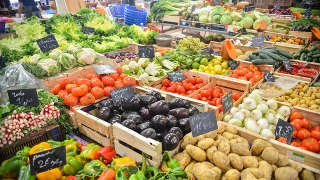
On-Site Sales
Sell produce, eggs, meats, jams, honey, or handmade goods. A simple roadside stand can thrive on event days.

Special Events
Host weddings, photo shoots, or family reunions. Invest in a tent, plan parking, and use water features as scenic backdrops.
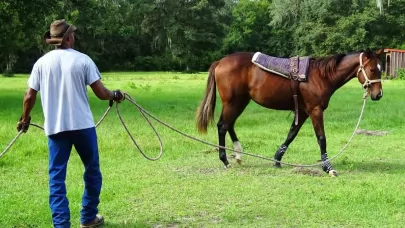
Workshops & Tours
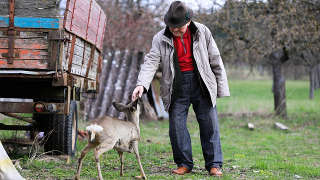
Teach something you know: gardening, canning, raising chickens. Visitors pay to learn — and stay loyal to your farm.
Farm Stays
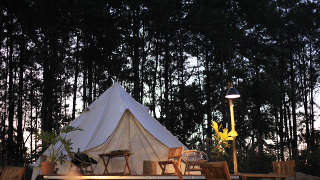
Cabins, tiny homes, or glamping setups rent well. Clean, quiet, and scenic is all you need to bring in weekend guests.

Vendor Partnerships
Build relationships with food trucks, florists, and caterers — but don’t lock in. Stay flexible and protect your control of the land.
Quick Tips
Agritourism by State
Top farm experiences across Alabama, Florida, Georgia, Mississippi, and Tennessee.
Alabama
Known for its peaches and catfish, Alabama farms are opening up with family-friendly seasonal events and tours.
- Peach Orchard Tours – Pick-and-taste visits in Chilton County.
- Pumpkin Patches & Mazes – Popular in fall across central AL.
- Catfish Farm Tours – Educational, hands-on pond visits.
Florida
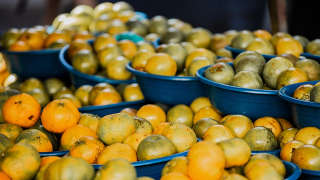
Beyond beaches, Florida offers year-round farm experiences thanks to its warm climate and crop variety.
- Citrus Grove Tours – Explore working orange groves in Central Florida.
- Berry U-Pick – Strawberries in Plant City; blueberries in the Panhandle.
- Ranch Stays – Cattle and heritage Cracker-style lodging in rural FL.

Georgia
Georgia leads the region in organized agritourism with strong state support and deep farm culture.
- Peach & Pecan Orchards – Tours, tastings, and direct sales.
- North GA Vineyards – Wine tasting rooms with mountain views.
- Fall Festivals – Hayrides, food, and harvest events statewide.

Mississippi
Mississippi blends farming with food culture and hands-on seasonal experiences for families and schools.
- Berry Picking – U-pick strawberries and blueberries in spring.
- Christmas Tree Farms – Cut-your-own farms across the state.
- Pecan & Food Festivals – Events highlighting Delta foodways.
Tennessee
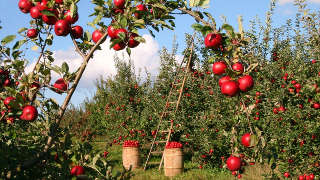
With mountains, music, and farm culture, Tennessee’s agritourism is built around scenery and traditions.
- Apple Orchards – Pick-your-own plus cider tastings in East TN.
- Farm Lodging – Cabins, tiny homes, and glamping with views.
- Winery & Distillery Tours – Family-friendly venues across the state.
Final Thoughts
Agritourism isn’t just a trend — it’s a working model that helps keep land productive, families on the farm, and rural economies alive. Across the Southeast, farmers are opening their gates not just to sell crops, but to sell experience. And people are showing up.
For new landowners, especially those buying their first farm, this kind of diversification can make the numbers work. It’s a way to generate income early, even while long-term operations (like orchards, livestock, or timber) take time to mature. You don’t need a massive property or a deep budget. You need a story, a bit of space, and something real to share.
Start small. Host a weekend event. Offer a tour. Teach one thing you know. Watch what people respond to — and build from there. Every working farm has something to offer. And every community needs places like these — spaces that reconnect people with food, nature, and each other.
Agritourism doesn’t just help you make money. It helps you build a farm that matters. One that stays in use, stays in the family, and stays part of the land. That’s what makes it worth doing.