But the story usually begins earlier, and quieter, with two animals that don’t announce themselves when they change a place: coyotes and feral hogs.
They don’t ruin land in a single season. They wear it down. They shift behavior. They change how animals move, where they feed, and how confident they feel. And over time, those shifts add up to something buyers notice even if they can’t name it.
Predator management, when it’s done well, isn’t loud. It’s background work that keeps land from drifting. Most of it belongs in winter, especially January and February, when the woods are open and spring hasn’t already been decided. Done then, it doesn’t need explaining later.
The two predators
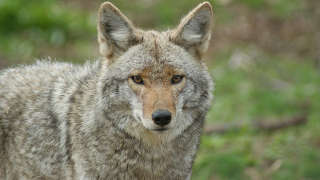
Coyotes: the pressure you don’t see until it’s everywhere
Coyotes don’t need density to matter. One or two animals using the same travel routes, the same edges, the same crossings can change how an entire property functions.
They don’t just take animals. They change decisions. Deer linger longer in cover. Turkeys nest in tighter pockets. Small game shortens its daylight window. Everything becomes a little more cautious.
That caution is what people feel when they say a place “doesn’t hunt like it used to.”
Winter is when coyotes are easiest to understand. Not because they’re more aggressive, but because the land is simpler. You see where they travel. You see which saddles, ditch lines, and timber edges they favor. You see patterns that disappear once green-up hits.
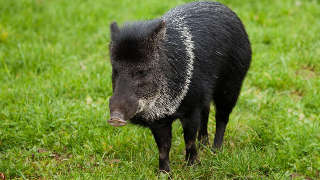
Feral hogs: the predator that leaves receipts
Hogs are different. They leave proof.
Rooted plots. Torn roads. Muddy crossings. Destroyed edges. You don’t have to guess whether hogs are affecting a place. The land tells you plainly.
But hog damage isn’t just physical. It’s psychological. It changes how owners interact with their land. When you replant the same plot twice, enthusiasm drops. When you fix the same road every year, patience thins. Eventually, management becomes reactive instead of intentional.
Winter is when hogs are most manageable. Food sources are tighter. Sounders concentrate. Movement becomes predictable. Pressure applied then has a chance to stick, at least long enough to protect the coming growing season.
What these two predators actually threaten
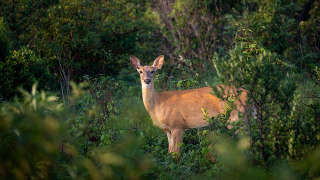
Deer
With deer, the change is gradual. You don’t wake up one fall and find an empty woods. Instead, you notice fewer young deer. Fewer groups. Less daylight movement. The land still has sign, but the sign doesn’t translate into sightings the way it used to.
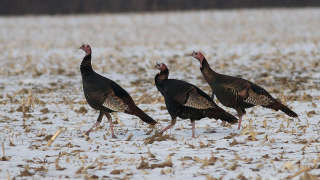
Turkey
Turkeys are less forgiving. When nesting goes bad, it shows quickly. When it goes bad twice, people talk. When it goes bad three times, people leave.
Small game
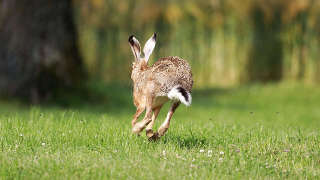
Small game is often the first thing to fade and the last thing people admit they miss.
Food plots
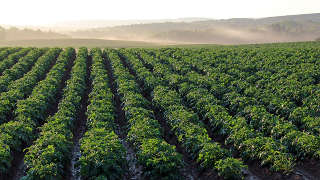
Food plots are where all of this becomes visible.
Coyotes and hogs don’t just affect one species. They touch everything that gives hunting land its character.
On smaller tracts especially, that slow erosion matters. There’s less margin. A couple of poor recruitment years show up fast. And once that perception sets in, it’s hard to reverse.
Predator management doesn’t make deer abundant. It keeps them behaving like deer instead of ghosts.
Coyotes and hogs both hit turkeys, but in different ways. Coyotes pressure nesting areas and travel routes. Hogs destroy nests outright. The result is the same: fewer birds carrying over.
Rabbits, quail, and other ground-oriented species don’t disappear all at once. They just stop being common. Hunts get shorter. Dogs range farther. Success feels thinner.
That’s often predator pressure combined with habitat, but pressure is the piece people underestimate. When predators aren’t managed, small game becomes nocturnal or scarce long before deer numbers visibly suffer.
Hogs destroy food plots directly. Coyotes affect how deer and turkeys use them. High pressure makes even well-planted plots feel empty.
Buyers don’t analyze soil samples. They look at fields. They notice whether plots look used or avoided. Those impressions form fast, and they’re hard to shake.
Predator management doesn’t make plots perfect. It keeps them from becoming a liability.
How this plays out across the Southeast
The pattern is consistent, but the challenges change by place.
Alabama
Predator pressure shows up quickly on smaller tracts and mixed-use land. Coyotes move easily between timber and pasture. Hogs work creek bottoms and food plots hard. Winter management there keeps land from feeling crowded and over-pressured.
Mississippi
Agriculture creates edges, and edges create travel corridors. Coyotes use levees, ditches, and turn rows efficiently. Hogs follow the same patterns. Predator management here isn’t optional if turkeys are part of the land’s identity. Buyers expect it, even if they don’t say so directly.
Georgia
Bird culture shapes expectations. Even on land that isn’t managed intensively for quail, turkey presence matters. Predator pressure shows up first in nesting success, then in hunter confidence. Winter work keeps those expectations grounded.
Tennessee
Terrain hides problems. Ridges, hollows, and timber breaks create pockets where predators concentrate. Winter strips that complexity down and reveals patterns that are invisible the rest of the year. Managing pressure there restores predictability more than abundance.
Florida
Vegetation and heat shorten the effective management season. Coyotes and hogs don’t behave differently, but the land closes in faster. Winter becomes the only realistic window to apply pressure before cover takes over and damage becomes chronic.
Why This Matters When Land Changes Hands
Most buyers don’t know how to ask about predator pressure. They just know when something feels off.
They’ll walk a property and pause longer than they expect to. They’ll keep scanning a food plot that looks right but feels empty. They’ll say things like, “I thought we’d see more sign,” or, “It seems like this place should hunt better than it does.”
Those comments aren’t complaints. They’re instincts kicking in.
Predator management rarely announces itself, but its absence has a way of shaping first impressions. Not dramatically. Quietly. A lack of birds here. Movement that never quite lines up there. A sense that the land isn’t doing what it should be doing, even if no one can explain why.
Well-managed land doesn’t need defending. It explains itself.
The patterns make sense. The pressure feels balanced. You don’t have to point things out because nothing is asking to be explained away.
Unmanaged land carries a different energy. Not failure. Just uncertainty. Enough unanswered questions to slow momentum. Enough doubt to change how confident a buyer feels making a decision.
Coyotes and feral hogs don’t break land on their own. What breaks land is inattention stretched over time.
Predator management is one of the few practices that signals year-round awareness. It tells the next owner that someone was paying attention when no one was watching. Not chasing outcomes. Just keeping the ground honest.
It doesn’t promise great hunting. It prevents disappointment from becoming the defining feature of a place.
That’s why predator management matters in land sales. Not because it closes deals, but because it removes friction. It keeps land from having to justify itself.
The quiet conclusion
Coyotes and feral hogs don’t ruin land. Neglect does.
Predator management is one of the ways owners show they’re paying attention during the part of the year when attention matters most. It doesn’t guarantee great hunting. It prevents slow disappointment.
That’s why it belongs in serious land conversations. Not as a tactic. As a habit.
When that habit is there, the land holds together. When it’s missing, the land eventually tells on itself.