


Why Quitman County Mississippi Land Attracts Buyers
In the northwest Mississippi Delta, this county sits on broad, flat alluvial ground shaped by the Coldwater River and its old channels. The soils are mostly silty, moderately well drained to poorly drained, and were formed on floodplains that have taken in river sediment for generations. Those conditions favor cotton, soybeans, corn, and other row crops, and many tracts have long histories of production. Because the terrain is open and level, it is also easy to manage for irrigation, field access, and large farm equipment.
For land buyers, that combination of strong Delta soils and simple topography matters. Farmland investors can lease to established growers who already operate in the area, often under cash rent or crop-share agreements that match local norms. Recreational buyers get value from the same landscape, with deer and small game using the tree lines, ditch banks, and creek margins, while ducks key in on shallow water in winter. Public and private conservation areas tied to the Coldwater River flyway help keep ducks and other migratory birds in the region each season.
Day to day life stays quiet and rural, centered around small towns like Marks and the communities that radiate out from it. Agriculture still anchors the economy, but the county also promotes its industrial park, which sits on freight rail and trucking routes, giving manufacturers and ag-related businesses a foothold close to the fields. People who move here tend to value the slower pace, lower cost of living, and ability to own more acres for the money. Buyers looking for a blend of working farmland, hunting potential, and Delta history often see this county as a practical place to plant long-term roots.
Natural Features of Quitman County MS Land
Delta Alluvial Soils
Deep, silty alluvial soils cover much of the county, built from centuries of river deposits. These soils hold moisture and nutrients well, which supports high-yield cotton, soybean, and corn production when managed correctly. For buyers, that soil base is one of the main reasons farmland keeps long-term value in the Delta.
Coldwater River and Bayous
The Coldwater River and its connected bayous help drain the landscape and provide natural travel corridors for wildlife. Along these waterways, bottomland hardwoods, sloughs, and shallow wetlands form. Those features support waterfowl, fish, and small game while also offering scenic value for camp sites and homesites on higher ground.
Wetlands, Sloughs, and Old Fields
Patches of idle ground, retired catfish ponds, and low-lying sloughs show up between fields and along road fronts. Many of these areas have grown back into early successional cover, with grasses, shrubs, and young timber. This mix of habitat adds diversity to the farm landscape and creates natural spots for food plots, duck holes, and wildlife buffers.
Row Crops, Irrigated Farmland, and Hunting Investment Land
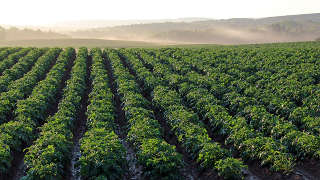
Delta Row-Crop Farms
Delta row-crop farms in this county typically feature long, straight rows and minimal slope, which makes them efficient to plant and harvest. Owners often inherit existing infrastructure such as gravel turn rows, equipment access points, and in some cases on-farm grain storage. Local operators understand how to manage these soils in wet and dry years, and statewide data shows cotton and soybeans remain key income drivers in the Delta. For a buyer, that history of use and the proven performance of row crops provide confidence that the land will keep working as a production asset for years to come.
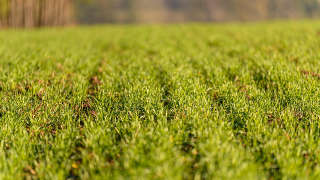
Irrigated Investment Ground
Irrigated investment ground uses wells, relifts, and carefully graded fields to move water where it is needed. In hot Delta summers, that capability can be the difference between average and strong yields, especially for corn and cotton. Buyers who secure irrigated acres often see more stable year-to-year returns and can negotiate leases that reflect the added value of water. Because irrigation systems require capital to install and maintain, owning land where much of that work is already done can be a major advantage for long-term investors.
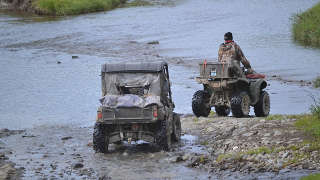
Recreational and Income Blends
Recreational and income blend properties combine farming with timber strips, ponds, and waterfowl habitat that hunters will pay to access. Some tracts lie within a short drive of the Coldwater River National Wildlife Refuge or other well-known duck areas, which keeps demand high for quality blinds and leases. Owners may enroll marginal acres in conservation or wetland programs while continuing to farm the best ground. This mix creates a portfolio-style asset on a single deed, tying together row-crop income, hunting revenue, and long-term land appreciation in one place.
Are you selling land in Mississippi
From Delta Farms to Pine Hills—We Bring Buyers
Thinking about selling land in Mississippi? Whether it’s a soybean farm in the Delta, timberland in Winston County, or a recreational tract in Clarke, Tutt Land Company knows how to market and move Mississippi property.
With more than 80+ years of land-focused experience, we connect your acreage with serious buyers using proven strategies—professional videos, targeted digital ads, and promotion across national platforms and Southeast land networks. Our name is trusted from the Tennessee line to the Gulf Coast.
Don’t just list your land—sell it with experts who live and breathe Mississippi dirt.
Wildlife, Hunting Land, and Fishing in Quitman County MS

Deer
Deer in this county key in on crop fields, overgrown fencerows, and hardwood pockets along ditches and bayous. Hunters like the predictable patterns that come with flat ground and clear field edges, which make stand placement and shot opportunities easier to manage.
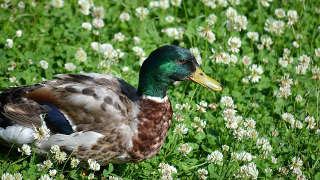
Ducks and Waterfowl
Ducks follow the Coldwater River corridor and nearby wetlands, using flooded fields, sloughs, and moist-soil areas throughout the season. Landowners who manage shallow water on low ground can create reliable shooting spots that pair well with existing farm operations.

Small Game
Rabbits and other small game thrive in weedy edges, brush piles, and old home sites tucked between farm fields. These species add everyday hunting options for families, especially on smaller acreages where big game management might be secondary to casual use.
Fishing and Farm Ponds
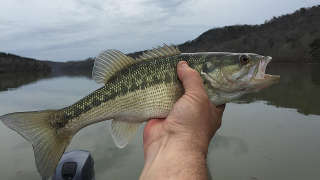
Farm ponds, bayous, and retired fish ponds give anglers dependable spots to chase bass, bream, and catfish without leaving the property. These waters also draw in wading birds and other wildlife, adding to the overall appeal of a tract for owners who enjoy both fishing and watching nature.
Living, Working, and Owning Land in Quitman County MS
From a practical standpoint, the county works to support both agriculture and new business. An industrial park tied into freight rail and major highways gives manufacturers and ag-related companies a workable base near the fields, which helps keep jobs and services local. Landowners benefit from that infrastructure when they move equipment, ship grain, or bring in supplies. At the same time, conservation groups and public agencies stay active in the broader Coldwater River watershed, promoting practices that protect soil, water, and wildlife. For investors and families, that combination of economic activity, conservation focus, and affordable acreage creates a realistic path to owning and improving land over time, instead of just treating it as a short-term trade.
Explore Rural Land in Nearby Mississippi Delta Counties
Coahoma County
Coahoma County sits northwest of here with similar flat Delta farmland and strong cotton and soybean production. Buyers looking for larger blocks of row-crop acreage and Mississippi River influence often include this county in their search for long-term agricultural investments.
Land for Sale in Coahoma County, MississippiTallahatchie County
Tallahatchie County offers a mix of row-crop ground, timber, and well-known duck areas along major river bottoms. Investors and hunters often seek out tracts here that combine income from crops with waterfowl and deer hunting along sloughs, oxbows, and flooded timber.
Land for Sale in Tallahatchie County, MississippiPanola County
Panola County transitions from Delta flats into more rolling ground, giving buyers a choice between row-crop fields and mixed timber tracts. That variety supports both farm-focused acquisitions and recreational properties that offer deer, turkey, and small game hunting on the same deed.
Land for Sale in Panola County, Mississippi