


Why Sunflower County Mississippi Land Attracts Buyers
Land in this part of the Delta sits on some of the richest alluvial soil in the country, with long, flat fields that are easy to farm and easy to maintain. Elevation changes are subtle, so equipment can cover acres quickly without fighting steep slopes or rocky ground. Deep silt and clay loams hold moisture but respond well to modern drainage and irrigation, giving growers more control over yields in wet and dry years.
For row crop investors, the story is simple: this is serious production country. Farms here span hundreds to thousands of acres, and most of the value comes from crops like soybeans, corn, cotton, and rice. Strong per-farm sales figures and a long history of commercial farming show how deeply agriculture runs through the local economy. Many tracts already have established tenants, wells, and irrigation infrastructure, so new owners can step into active operations instead of starting from scratch.
Daily life centers on small Delta towns such as Indianola, Ruleville, Moorhead, and Inverness, where services, schools, and local businesses anchor the community. Indianola also carries a cultural pull thanks to the B.B. King Museum and Delta Interpretive Center, drawing visitors who want to experience blues history alongside farm country. Rural tracts sit close enough to these hubs for groceries, equipment dealers, and healthcare, but far enough out that you still get quiet roads, big sky, and room to spread out.
Beyond crops, buyers find a mix of manufacturing, public sector, and service jobs that help stabilize the labor force and support ag-related businesses. Trucking, grain handling, input suppliers, and equipment repair shops all benefit from steady farm output. For families and long-term investors, that combination of productive soil, working infrastructure, cultural identity, and year-round access to goods and services makes Sunflower County land a practical place to buy and hold.
Natural Features Of Sunflower County Mississippi Land
Natural character here comes from water and soil more than steep terrain or rocky ridges. The Big Sunflower River and its connected bayous wind through level cropland, carrying the fine alluvial material that built the Delta over thousands of years. Fields, tree lines, drainage ditches, and small sloughs break up the landscape, giving it a patchwork look from the road and from the air. Seasonal flooding in low areas is part of the system and can add fertility when managed well.
Delta Alluvial Soils
Thick alluvial deposits from the Mississippi and Yazoo river systems give this county its deep, dark soils. These fine-textured clays and silts support intensive row crop farming with strong yield potential. With proper drainage and fertility programs, they stay productive over decades of continuous use.
Sunflower River And Bayous
The Big Sunflower River and smaller bayous meander through the countryside, creating bends, sloughs, and low timber stands along their banks. These corridors offer habitat for fish, wading birds, and bottomland wildlife, and they help recharge wetlands and shallow water features. For landowners, river frontage or nearby bayous add both recreation and long-term conservation value.
Wetlands, Timber Strips, And Field Edges
Not every acre is row crop ground; scattered wetlands, timber draws, and fence rows break up the open fields. These areas hold deer, turkey, small game, and a variety of songbirds throughout the year. For buyers, they create natural travel corridors for wildlife and give hunting tracts more edge habitat without giving up much tillable ground.
Row Crop, Timber, And Recreational Investment Land
Most investment land in this county ties back to the strength of Delta agriculture. Large, contiguous fields make it easy to run modern equipment, set up efficient irrigation patterns, and manage leases with experienced operators. At the same time, many properties include non-tillable corners, creek lines, or low timber that add hunting value and give owners options beyond straight farm income. Investors who like hard-working land with a recreational upside usually find a comfortable fit here.
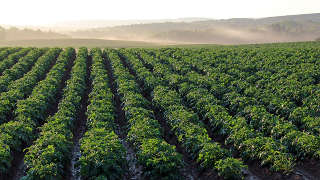
Row Crop Farmland
Row crop acreage is the backbone of Sunflower County investment land, with soybeans, corn, cotton, and rice making up most of the planted acres. Farms often exceed a thousand acres, and many have been leveled, tiled, or otherwise improved to handle water more efficiently. Buyers can step into existing cash rent or crop-share arrangements backed by long experience in Delta systems. Strong market values for crops and demonstrated net farm income make these tracts attractive for investors who want measurable performance instead of speculation. When grain elevators, gins, and input dealers are close by, hauling costs stay manageable and turnarounds during harvest are quick.
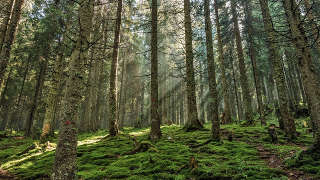
Timber And Wildlife Corridors
While this is not a heavy pine region, strips of hardwoods along ditches, sloughs, and rivers play an important role in both wildlife and long-term value. These timbered corridors provide shade, mast, and cover for deer, turkey, and small game moving between food sources. Landowners can thin, selectively harvest, or replant portions over time to improve stand health and create small but steady timber income. For buyers who want both crop checks and habitat, these wooded zones tie the whole property together and increase appeal when it is time to sell or pass land down.
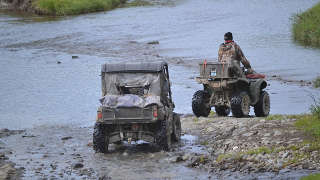
Recreational And Hunting Tracts
Recreational buyers focus on tracts with a mix of fields, woods, and water, and Sunflower County offers plenty of that blend. Properties near the Sunflower River, oxbow lakes, or regional public lands can be set up with food plots, water-control structures, blinds, and camp sites. Duck hunters look for shallow impoundments and low spots that can be flooded in winter, while deer hunters value thick cover near crop edges. Many landowners lease out hunting rights to local clubs or out-of-town groups, adding another revenue stream on top of any farming income. Over time, well-managed recreational tracts tend to hold their value because there is only so much land that can offer both strong hunting and solid access.
Are you selling land in Mississippi
From Delta Farms to Pine Hills—We Bring Buyers
Thinking about selling land in Mississippi? Whether it’s a soybean farm in the Delta, timberland in Winston County, or a recreational tract in Clarke, Tutt Land Company knows how to market and move Mississippi property.
With more than 80+ years of land-focused experience, we connect your acreage with serious buyers using proven strategies—professional videos, targeted digital ads, and promotion across national platforms and Southeast land networks. Our name is trusted from the Tennessee line to the Gulf Coast.
Don’t just list your land—sell it with experts who live and breathe Mississippi dirt.
Wildlife, Hunting, And Fishing Land In Sunflower County Mississippi
Wildlife potential is a major reason many buyers look at this part of the Mississippi Delta. Nearby public lands like Sunflower Wildlife Management Area and the Delta National Forest, along with private woods and sloughs, hold strong numbers of deer, turkey, squirrels, and ducks. The Big and Little Sunflower Rivers, scattered lakes, and farm ponds give anglers a chance at bass, crappie, bream, and catfish. When you combine high-yield cropland with this kind of habitat, you get properties that work year-round for both income and recreation.

Deer
Whitetail deer use crop fields for food and timbered sloughs for bedding, giving hunters good patterns to work with across the season. Management on nearby public areas shows a healthy herd, and private land with controlled pressure can consistently grow solid Delta bucks.
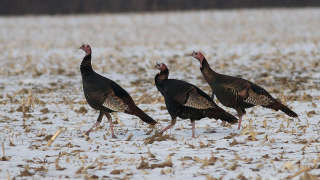
Turkey
Eastern wild turkeys frequent hardwood strips, field edges, and openings where insects and seeds are easy to find. Spring hunts near mature timber and along creek bottoms can be especially productive for buyers who manage disturbance carefully.
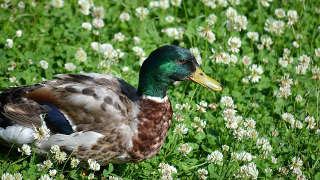
Ducks And Other Waterfowl
Wintering ducks follow the Mississippi Flyway and key in on flooded rice, soybean stubble, and natural brakes throughout the Delta. Even modest impoundments near the river or low fields can draw mallards, teal, and other puddle ducks when food and shallow water line up.
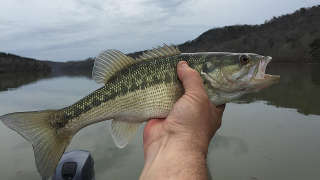
Fishing
Anglers target crappie, largemouth bass, bream, and catfish in the Sunflower River, old oxbows, and managed lakes. Owning land with water access means you can slip out for a quick trip after work or host friends and family for weekend fishing without leaving the property.
Living, Culture, And Quality Of Life On Sunflower County Land
Owning land here ties you into both a working farm landscape and a deep cultural story. Small towns offer the basics people need day to day, from groceries and hardware to schools and healthcare, while still keeping traffic light and commutes short. In Indianola, the B.B. King Museum and Delta Interpretive Center anchors a strong blues tradition, drawing visitors, music fans, and events that keep the community on the map. That mix of quiet rural living and real cultural identity sets the county apart from anonymous farm regions.
For buyers, practical details matter too. Cost of living stays relatively low, and property taxes on farmland and rural acreage are often easier to handle than in fast-growing metro areas. Many tracts are close to major highways, so getting grain to market or driving to larger Delta cities for supplies is straightforward. Remote work and flexible schedules also make it easier for people to live on or near their land while staying connected to jobs elsewhere. Whether the goal is a working family farm, a recreational base camp, or a long-term investment to pass on, Sunflower County offers space, history, and productivity in one package.
Explore Rural Land In Nearby Delta Counties
The broader Mississippi Delta around Sunflower County is packed with productive farmland, rich hunting areas, and small towns built around agriculture. Neighboring counties share the same alluvial soils and flyway location, so buyers can compare tracts across county lines without giving up the qualities they want. Looking at the region as a whole helps match budget, acreage, and location to the right property.
Washington County
Washington County offers highly developed Delta infrastructure, with grain handling, equipment dealers, and services close to large farm tracts. Buyers searching for row crop and Mississippi River corridor hunting land often include this county in their plans.
Land for Sale in Washington County, MississippiLeflore County
Leflore County combines strong row crop acreage with access to Delta towns, river corridors, and established ag businesses. Many tracts here appeal to investors who want income-producing fields with nearby options for duck and deer hunting.
Land for Sale in Leflore County, MississippiHumphreys County
Humphreys County sits in the heart of the Delta and is known for broad, open fields and dependable water resources. Land buyers looking for affordable acreage with both farming and hunting potential often keep a close eye on listings here.
Land for Sale in Humphreys County, Mississippi