


Why Columbia County Georgia Land Attracts Buyers
Rural buyers watching the Augusta market often look west and north because this county still has working farms and timber tracts tucked between fast-growing neighborhoods. Gentle ridges drop into creek bottoms that feed the Savannah River and Clarks Hill Lake, so even smaller parcels can have good water and soil. Tracts used for cattle, hay, or hobby farming sit within an easy drive of major employers and services, which keeps long-term demand steady.
Many owners here blend lifestyle and investment in a single purchase. A buyer might fence a few acres for horses, keep a pine stand growing for future harvest, and reserve a back corner for a small food plot and shooting lane. Road access is usually solid, utilities are nearby on most paved routes, and the school system reputation supports higher resale value for estate-style parcels. It is a county where land can work as both a retreat and a practical asset.
Savannah River, Clarks Hill Lake, and Columbia County Land Features
Natural features in this part of Georgia give land a stronger recreational and investment profile than the map alone suggests. The Savannah River and the upper reaches of Clarks Hill Lake create long stretches of shoreline, backwater coves, and marshy pockets that hold wildlife and offer boat access. Moving inland, the ground shifts into rolling Piedmont hills with a mix of red clay and sandy loam, good enough for pasture, hay, and pine rotations when managed correctly.
Creeks such as Kiokee Creek and Little Kiokee Creek cut shaded hardwood corridors through the uplands. These drainages not only cool the landscape but also help define natural interior boundaries on a tract, separating home sites from hunting areas or grazing from timber. Even smaller parcels often have a combination of open ground, gentle slopes, and woodlines, which makes it easier for buyers to carve out multiple uses without overbuilding or overclearing the property.
Savannah River and Clarks Hill Shoreline
Waterfront and near-water tracts benefit from steady water levels, established boat ramps, and strong recreational use. Shoreline contours create coves, points, and bluffs that translate into diverse home site options and excellent views. These same features also help hold game and fish, boosting the appeal of even modestly sized properties.
Piedmont Ridges and Hardwood Drains
Rolling ridges support pine stands, homesites, and small pasture fields, while hardwood drains wind through the low spots. These elevation changes create natural screening between neighbors and give hunters well-defined travel corridors. The combination lets owners keep both open views and secluded pockets on the same tract.
Creeks, Branches, and Small Ponds
Feeder creeks like Kiokee Creek carve cool, shaded corridors ideal for wildlife and future trail systems. Existing ponds or pond sites give buyers options for fishing, irrigation, or simple aesthetics around a homesite. Year-round water sources also support livestock operations on mid-sized acreage.
Timber, Pasture, and Residential Estate Land Investments
Land use in this county splits between long-term rural operations and newer estate tracts driven by the Augusta workforce. Timber, pasture, and residential acreage are all in play, but they behave differently depending on location and road access. Western and northern areas tend to favor larger tracts with timber or cattle, while corridors closer to Evans and Appling see more divided parcels aimed at custom homes with extra space.
Investors usually weigh three things: how well the dirt can produce income today, how easy it will be to resell or subdivide in the future, and whether the land still offers hunting, fishing, or hobby farming value for family use. This county checks those boxes in different ways. Some properties work as planted pine and hunting tracts, others as fenced pasture with a modest cattle herd, and others as upscale rural neighborhoods with multi-acre lots and shared green space.

Pine Timber and Mixed Woodlands
Timber stands here are often mid-sized, ranging from a few dozen acres up to multi-hundred-acre holdings in the less developed parts of the county. Many tracts feature loblolly pine on the uplands with hardwood along creeks and drains, a pattern that supports both future pulpwood and sawtimber harvests. Because growth from Augusta has pushed outward over the years, timberland close to major corridors may also carry future estate or subdivision potential. Owners can thin once, let the stand grow, and still keep food plots and internal roads in place for hunting. Access to regional mills and logging contractors gives timberland buyers a clear path to periodic income while they wait on the broader land market to appreciate.
Pasture, Hay, and Small Cattle Farms
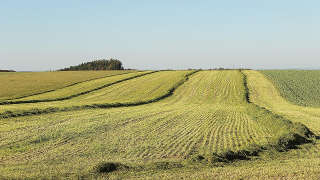
Open land in Columbia County usually appears as long-established pasture fenced for cattle or horses, sometimes with an adjacent hay field. Gentle slopes and workable soils allow owners to overseed with cool-season grasses, rotate grazing, and bale hay for local use or sale. Smaller farms in the Appling and Leah areas lend themselves to part-time operations, where an owner works in town but runs a modest herd on evenings and weekends. Water from creeks, ponds, or wells supports troughs and rotational fencing setups. Because open ground is harder to find than wooded acreage, well-maintained pasture often commands a premium and can anchor a property’s value even as neighboring tracts see more residential pressure.

Residential Estate and Mini-Farm Tracts
Estate-style parcels with five to fifty acres are a major driver of land demand in this county. Buyers want enough room for a house, barn, and shop, with leftover acres for trails, wildlife, and maybe a garden or small orchard. Proximity to Evans, Grovetown, and Fort Eisenhower makes it realistic to commute while still living on quiet acreage. These tracts often start as raw land with frontage on a paved or well-kept county road, then gain value as driveways, utilities, and simple improvements go in. Some owners choose to split off a lot or two for family members later, while others preserve the entire holding as a long-term homestead. In either case, the blend of rural feel and urban access supports steady resale interest.
Hunting Land and Fishing Property in Columbia County Georgia
Wildlife and fishing opportunities remain a major reason buyers look for acreage here instead of closer-in suburban lots. Wooded tracts with creek drains, thickets, and edges between pasture and timber give deer and turkey everything they need. Narrow hardwood fingers often connect larger blocks of cover across property lines, so even modest parcels can hunt bigger than their acreage suggests.
On the water, Clarks Hill Lake and the Savannah River support striped bass, hybrids, and crappie, with smaller ponds holding bream and bass. It is common for owners to build a simple blind on a powerline or field edge, keep a ladder stand overlooking a crossing, and then spend hot months fishing rather than sitting in the woods. For many families, the draw is having hunting and fishing in the same place where they store tractors, boats, and side-by-sides.

White-Tailed Deer
Deer use pine ridges for bedding and travel the hardwood drains and field edges to feed. Food plots planted on small openings or powerlines can pull deer into daylight, especially where thick cover is nearby.
Eastern Wild Turkey
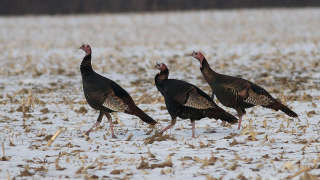
Turkeys favor open hardwoods near creeks and small pastures where they can bug in the mornings. Roost trees along the Savannah River and major tributaries give hunters consistent starting points each spring.
Small Game and Waterfowl
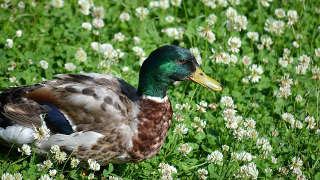
Thickets, cutovers, and field edges support rabbits and squirrels that keep younger hunters busy. Low-lying sloughs and pond margins can hold wood ducks and the occasional mix of other puddle ducks in the right conditions.
Striped Bass and Crappie Fishing
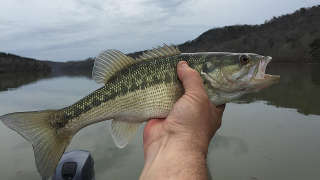
Clarks Hill Lake and the Savannah River give anglers a mix of open-water striped bass, hybrids, and structure-oriented crappie. Access to ramps and marinas makes it practical to fish before or after work for those living nearby.
Rural Columbia County Living Near Augusta Growth and Services
The appeal of this county is not just in the dirt itself but in how it fits into day-to-day life. Owners can keep tractors, boats, and side-by-sides under a pole barn, then still reach shopping, schools, and medical services in Evans or Augusta without an all-day round trip. Fort Eisenhower and regional employers add stability to the local economy, which supports long-term confidence in rural property values.
Community life stays active around churches, ball fields, lake marinas, and small local businesses instead of only big-box centers. Many families buy ten to thirty acres with a plan to raise kids around livestock pens, garden rows, and evening walks, not crowded neighborhoods. Others see land here as a way to move close to retirement while keeping options open for future splits or sales. It is a county where you can still hear frogs and owls at night but know that a hardware store and feed supplier are not far away.
Explore Land for Sale in Nearby Georgia Counties
Buyers who like the mix of timber, lake access, and growth in this area often compare options across neighboring counties. Each nearby county offers its own balance of price, commute time, and level of development. Looking at the wider region can help match a specific budget or management plan to the right location.
Richmond County
Richmond County stretches around Augusta with smaller tracts and mixed industrial and residential influence. Buyers focused on shorter commutes to city employers may find infill acreage and edge-of-town parcels that still offer some privacy.
Land for Sale in Richmond County, GeorgiaMcDuffie County
McDuffie County leans more rural with larger timber and farm tracts at generally lower per-acre prices. It suits buyers who want more acreage for hunting, cattle, or pine without being too far from the Augusta area.
Land for Sale in McDuffie County, GeorgiaLincoln County
Lincoln County sits along Clarks Hill Lake with a strong focus on recreational and lake-oriented property. Buyers looking for quieter water access and more remote-feeling cabins often compare Lincoln County options alongside Columbia County tracts.
Land for Sale in Lincoln County, Georgia