


Why Issaquena County Mississippi Land Attracts Buyers
Big Delta ownership is the main draw here. Tracts tend to be larger, flatter, and easier to lay out for farming, hunting, or both. A buyer can run row crops, lease hunting, and still keep hardwood edges and slough corridors intact. That mix is hard to find in places where parcels get chopped up into small lots.
Water is the whole story. Levees, ditches, and controlled flooding shape what the land can do and when it can do it. If you want consistent farm income, you look hard at drainage, field elevation, and access after heavy rain. If you want duck hunting, you look at the same stuff, but you ask different questions: can you hold water, can you move water, and can you draw it down when you need to?
Row-crop ground here is built for Delta staples. Soybeans and rice are common fits, and rotations shift with irrigation, markets, and field history. When a tract has the right layout and wells, it can support serious farm plans. When it does not, it can still be a strong buy for habitat and lease value, as long as you are honest about what the ground is telling you.
Privacy matters too. This is one of those places where you can own land and not feel crowded. That can be a real plus for hunting clubs, conservation-minded buyers, and investors who want fewer conflicts over noise, access, and boundaries. The flip side is simple: services are not next door. You plan ahead on roads, gates, pumps, and who is going to run equipment when something breaks.
Delta Backwaters and Levee Country Features Buyers Look For
Low-lying Delta ground changes fast across short distances. One field can be reliable crop land, and the next block can be a hardwood pocket that stays wet longer and hunts better than it farms. That is why buyers pay attention to sloughs, bayous, and the way water backs up in wet years. A tract with clean access, workable elevations, and smart water control can do more than one job. And in this part of Mississippi, that flexibility is often the difference between a good deal and a constant headache.
Mississippi River and backwater influence
River stages and backwater systems affect flooding, drainage timing, and field access. Buyers who understand the water patterns can match acres to the right use, instead of fighting the land.
Bottomland hardwood pockets
Hardwood blocks and wet timber edges create cover and travel lanes for deer and ducks. They also add long-term value when managed well and not treated like leftover ground.
Levees, ditches, and impoundments
Water control features can support both farming and waterfowl habitat. The best tracts make it easy to move water on purpose, not just react to it.
Row Crop, Hardwood Timber, and Duck Lease Investment Land
Investment buyers usually come here for one of two reasons: reliable farm ground, or a hunting-heavy tract that can still produce income. Some properties do both, but the details matter. Field layout, road access, and water control determine whether a tract farms clean or stays a headache. Timber value is typically tied to bottomland hardwood blocks and edges, which can also raise lease value for deer and ducks. If you want the land to pay you back, treat income and access as part of the purchase, not an afterthought.
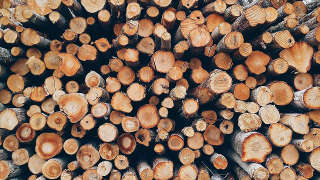
Bottomland hardwood timber
Hardwood timber in the Delta is a different play than pine country. It can be slower, wetter, and more dependent on access, but it can also be valuable when managed with intention. Buyers often target hardwood blocks that connect to sloughs and edges, because those areas pull double duty for habitat. A tract with healthy hardwoods can support selective harvest plans and still keep the cover that makes deer and ducks use the place. The key is not overpromising what a wet block can do. If a skidder cannot get in without tearing the place up, the harvest plan needs to match reality.
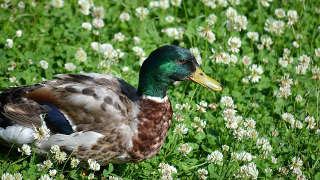
Duck hunting lease value
Duck lease value is usually tied to groceries and water control. Managed fields, impoundments, and drawdown options matter more than pretty photos. Buyers who want a hunting return look for land that can be flooded at the right time and drained when the plan calls for it. Even small differences in elevation can decide whether you get sheet water or a few deep holes that ducks avoid. The best tracts also have enough cover and loafing areas nearby so birds do not have to pick between food and safety. When that mix is present, lease demand tends to stay strong.
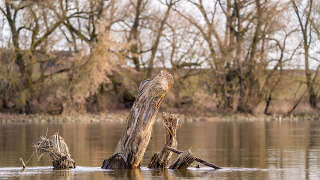
Conservation and habitat ownership
Some buyers want fewer moving parts and more long-term land value. Habitat-focused ownership can mean keeping hardwood blocks intact, improving water control for moist-soil units, and managing edges for wildlife. This approach can still produce income through hunting leases, selective timber work, or farm rent on the right acres. It also tends to reduce neighbor conflicts, since the land use stays simple and quiet. The smartest plans start with access and water: gates, roads, and pumps that work when you need them. After that, habitat improvements are easier to phase in without turning the place into a permanent project.
Are you selling land in Mississippi
From Delta Farms to Pine Hills—We Bring Buyers
Thinking about selling land in Mississippi? Whether it’s a soybean farm in the Delta, timberland in Winston County, or a recreational tract in Clarke, Tutt Land Company knows how to market and move Mississippi property.
With more than 80+ years of land-focused experience, we connect your acreage with serious buyers using proven strategies—professional videos, targeted digital ads, and promotion across national platforms and Southeast land networks. Our name is trusted from the Tennessee line to the Gulf Coast.
Don’t just list your land—sell it with experts who live and breathe Mississippi dirt.
Ducks, Deer, and Delta Fishing That Fits the Land
Wildlife value in this part of the Delta is tied to water, edges, and food. Farm fields supply groceries, hardwood pockets supply cover, and backwaters create travel lanes and resting spots. That is why many buyers like tracts that combine open ground with wet timber or managed impoundments. Duck hunting can be a major driver when water control is solid. Deer hunting is often about funnels and edges, not long ridges and big elevation. And if you like to fish, backwater and oxbow-style waters can produce steady action for common Delta species.
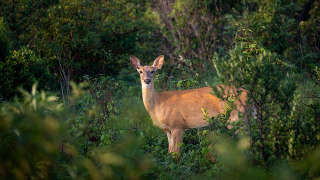
Deer
Deer use hardwood pockets, ditch lines, and field edges as consistent travel routes. Strong setups often come from simple funnels created by water and open ag.
Turkey
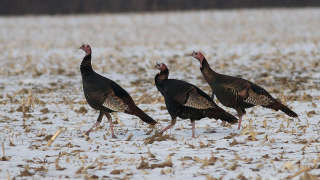
Turkey tend to favor the drier pockets and hardwood edges that give them space to move and roost. Mixed habitat with open ground nearby can improve sightings and huntability.
Ducks
Waterfowl use flooded fields, moist-soil units, and quiet backwaters when food and cover line up. Water control is the difference between a good season and a long story.
Fishing
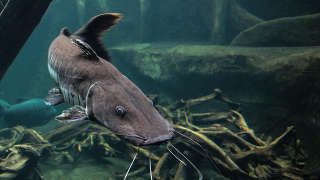
Backwater and oxbow-type waters can produce catfish, crappie, and bream depending on access and seasonal water levels. Private ponds on a tract add year-round convenience.
Small-Seat Delta Ownership With Real Elbow Room
Quiet is part of the value here. Large ownership blocks and low development pressure make it easier to manage land the way you want, whether that means farming hard, hunting hard, or keeping things simple for long-term holding. The county seat is small, and the area runs on practical routines: levee roads, farm schedules, and the seasonal shift from planting to hunting. For buyers who hate drama, that matters. But it also means you do your homework. You want to know who maintains the roads, how access holds up after rain, and what your plan is for equipment and labor. A good tract is not just land. It is land plus access, water control, and a realistic way to operate it.
Nearby Delta Counties With Similar Land Buying Options
Shopping around the Delta is normal because each county has its own mix of farm scale, water influence, and access. Some areas lean heavier farming. Some lean heavier duck habitat. And some tracts are a true blend, but the best ones move fast. If you want options close by, these neighboring counties are common comparisons for buyers looking at Delta farm and hunting ground.
Sharkey County
Delta farm tracts and water-influenced habitat show up here in a similar way. Buyers often compare hunting lease potential and access quality across properties.
Land for Sale in Sharkey County, MississippiWashington County
Bigger ag footprint and more services nearby can be a factor for some buyers. Farm infrastructure and Delta hunting demand tend to stay active.
Land for Sale in Washington County, MississippiWarren County
Proximity to river influence and travel corridors can shape land use and buyer interest. Good comparisons include access, flood history, and mixed-use potential.
Land for Sale in Warren County, Mississippi