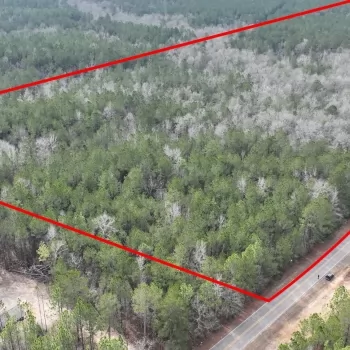
Why Lamar Mississippi Land Attracts Buyers
Rural land buyers in south Mississippi keep circling back to this area for one simple reason: it works for more than one plan. Pine timber ground can pay its own way over time, while pasture and small fields let you run cattle, cut hay, or lease ground without turning it into a full-time job. That mix matters when prices and markets move around.
Access is another big reason. A short drive gets you into Hattiesburg for jobs, medical, supplies, and Southern Miss, but you can still live where nights are quiet and a gate at the driveway makes sense. Many tracts also come with existing farm roads, established homesites, or the kind of layout that makes it easy to add a barn, shop, or second entrance.
Water is often part of the story too, even when the property is mostly upland pine. Creek bottoms and drains cut through the ridges, and plenty of places have ponds already in place or the right low ground to build one. For buyers who care about hunting, those wet edges and timber transitions are where a lot of the movement happens. Put all that together and you get land that can be a long-term hold, a weekend place, or a working setup that stays practical.
Pine Belt Terrain and Water Features That Add Value to Lamar County Land
Pine Ridges and Sandy Loam
Higher ground in the county commonly carries managed pine and drivable interior roads. These ridges are useful for building sites, fire lanes, and keeping equipment moving when the low ground is wet.
Creek Bottoms and Hardwood Drains
Lower areas collect water and grow thicker cover, often with mixed hardwoods along drains. Those bottoms create natural travel corridors for deer and make good locations for pond sites where the layout allows.
Ponds, Beaver Ponds, and Small Lakes
Small water features show up across rural tracts, from built ponds to naturally wet pockets. Water adds resale value, improves day-to-day hunting, and gives a place to fish without leaving the property.
Pine Timber, Pasture, and Poultry-Friendly Acreage for Investors
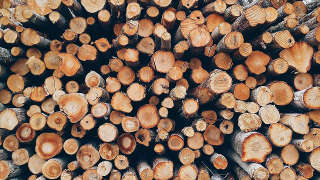
Pine Timber Tracts
Pine timber is a common long-hold strategy here because management is straightforward and the local market understands it. Buyers like stands that already have a plan: clear age classes, a thinning history, and roads that let you get in without tearing the place up. A well-managed pine tract can be hunted while it grows, and it can be improved over time with burns, thinning, and simple boundary work. When a property includes a mix of upland pine and a little bottomland, it also spreads risk by offering different timber types and better wildlife cover.
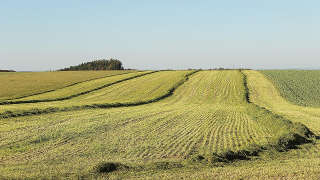
Pasture and Hay Ground
Open acreage is valuable in a county where so much land is wooded, because it gives you immediate use without waiting on a timber rotation. Fenced pasture can support cattle, and hay ground can help offset feed costs if you are running stock or leasing to someone who does. Buyers also like pasture for flexibility: it can stay agricultural, convert into a homesite setting, or be used for food plots and dove fields depending on the tract. Good pasture usually comes down to access, drainage, and whether you can keep it maintained without turning every rain into a mud season problem.
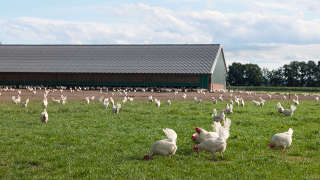
Poultry-Oriented Rural Acreage
Working farms in this part of Mississippi often include poultry, and that shapes what some investors look for when they buy land. The right tract has room for setbacks, service access, and a layout that keeps operations practical and contained. Even when a buyer is not building new houses, poultry presence in the region matters because it supports local ag contractors, supply routes, and year-round demand for supporting land uses like pasture, hay, and equipment storage. For buyers who want income diversity, poultry-oriented acreage can pair with timber and cattle without competing for the same ground, especially when the tract has a clean separation between open areas and wooded blocks.

Are you selling land in Mississippi
From Delta Farms to Pine Hills—We Bring Buyers
Thinking about selling land in Mississippi? Whether it’s a soybean farm in the Delta, timberland in Winston County, or a recreational tract in Clarke, Tutt Land Company knows how to market and move Mississippi property.
With more than 80+ years of land-focused experience, we connect your acreage with serious buyers using proven strategies—professional videos, targeted digital ads, and promotion across national platforms and Southeast land networks. Our name is trusted from the Tennessee line to the Gulf Coast.
Don’t just list your land—sell it with experts who live and breathe Mississippi dirt.
Deer, Turkey, and Bass Fishing on Lamar County Mississippi Hunting Land

Deer
Whitetails concentrate on timber edges, food plots, and creek crossings where movement stays predictable. A mix of pine and bottom cover usually improves daylight activity during the rut and late season.
Turkey
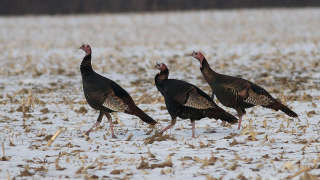
Turkey hunting improves where pine stands are thinned or burned and the understory opens up. Creek bottoms and hardwood pockets can hold roost sites close to feeding areas.
Hog
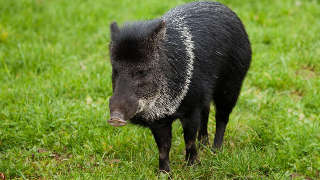
Feral hogs tend to work thick drains and wet edges, and they can tear up roads and plots fast. Consistent trapping plus opportunistic hunting is the usual landowner playbook.
Bass
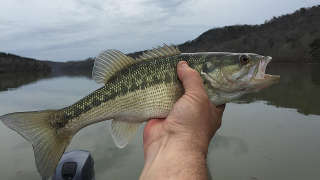
Largemouth bass are a common target in private ponds and local lakes in the area. Properties with water offer simple, year-round recreation without leaving the gate.
Small Town Living With Quick Access to Hattiesburg From Lamar County Acreage
Outdoor access is a quiet bonus. Local public land and park options give buyers extra room for hiking, fishing, or a low-effort weekend plan when you do not feel like running a chainsaw. The county also sits in a part of Mississippi where timber culture is normal, so you can usually find local help for dozer work, road repair, thinning, burning, and general land maintenance without importing a crew from far away.
Practical details matter more than slogans in rural land, and that is where this county tends to deliver. Tracts often have a shape that makes sense for gates, interior roads, and multiple uses. Utilities are not always perfect, but you are close enough to towns that service extensions and material runs are realistic. If you want a place that can be hunted, worked, and lived on, while still staying tied to a real job market, this area fits that lane.
Nearby Counties With More Mississippi Land to Compare
Forrest County
Acreage near Hattiesburg can trade a little more price for convenience and services. Timber tracts and smaller hunting parcels show up where development pressure has not pushed too hard yet.
Land for Sale in Forrest County, MississippiMarion County
More rural ground to the west often leans hard into timber and hunting with larger tract sizes. Creek bottoms and pine management are common themes buyers shop for.
Land for Sale in Marion County, MississippiPearl River County
Timber and hunting land stays a strong draw, with more water and wetter habitat in some areas. Buyers often compare this county when they want similar land uses with different access patterns.
Land for Sale in Pearl River County, Mississippi

