Land for Sale in Lawrence County, Mississippi

POULTRY FARMS, PINE TIMBER, AND HUNTING

Looking for land in Mississippi with real income options? Expect rolling pine hills, creek bottoms, and open pasture around Monticello. Poultry houses and broiler contracts drive a lot of local farm sales, and pine timber tracts stay in steady demand. Hay fields and some soybean ground fill in the open acreage. Deer and turkey hunting is a big bonus, and Lake Mary Crawford is a local bream stop.

Mississippi Trusted Land Professionals

Every county has its own feel — the land, the timber, the communities, and the opportunities that come with them. Working with people who know this ground firsthand makes everything easier. Whether you want to buy or sell, our team understands this county and how to match the right properties with the right buyers. They know the backroads, the soil types, the hunting spots, and the market trends that matter.

Why Lawrence County Mississippi Land Attracts Buyers

Land buyers looking in southwest Mississippi usually want three things: a real income angle, a place that hunts, and a property that is easy to own without constant drama. This area checks those boxes more often than most. Poultry drives the farm economy here, and that shapes what comes on the market. A lot of small-to-mid acreage tracts are built around broiler houses, litter barns, wells, and shop space, with enough open ground to handle setbacks, upgrades, and a home site.

Timber is the other steady play. Pine plantations and mixed woods are common, and the terrain is the kind of rolling hill country that lays out well for roads, firebreaks, and clean tract lines. When a place has creek bottoms, you also get pockets of hardwood cover that can add wildlife value and some diversity on the timber side. Pasture and hay fields show up all over, which matters if you want cattle, lease grazing, or just want open ground that you can keep clipped without spending every weekend behind a mower.

Access is a quiet advantage. US-84 runs through the county, and state highways connect you in several directions, so a property does not feel isolated even when it is private. That matters for poultry service trucks, timber hauling, and everyday living. Monticello gives you a practical small-town center for supplies, schools, and local services, and a lot of buyers like that you can have land outside town but still be five to fifteen minutes from what you need.

Creek Bottoms, Pine Hills, and Pearl River Drainage That Add Value

Land value here is tied to how the ground lays and how the water moves. You get rolling uplands that drain well for roads, house sites, and poultry infrastructure. Then you get lower creek bottoms that grow thicker cover, hold moisture longer, and set up natural travel corridors for deer and turkeys. The Pearl River system influences a lot of local drainage, and smaller streams feed into it, which is why some tracts feel like a mix of dry ridges and green, shaded bottoms. For buyers, that mix is useful. It lets you split a property into working ground up top and wildlife cover down low, without needing a perfectly flat farm.
Rolling pine uplands

Higher ground in this part of Mississippi usually means better drainage and easier building. It is also where pine timber management is simplest, with room for roads, fire lanes, and clean harvest access.

Creek bottoms and hardwood edges

Lower draws and creek lines tend to hold thicker cover and a different mix of trees than the uplands. Those edges create natural funnels for wildlife and give a tract more than one habitat type to manage.

Pearl River drainage influence

Many small streams in the area are part of the broader Pearl River watershed. That matters for pond sites, seasonal wet spots, and how you plan roads, food plots, and timber harvest timing.

Poultry Income Tracts, Pine Timber, and Pasture Ground Buyers Actually Use
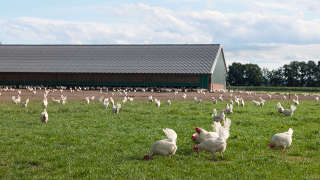
Investment land here is not one-size-fits-all. A lot of buyers want a property that can pay its way, even if it is on a modest acreage. Poultry operations are common, and they pull demand for tracts with the right layout for houses, service access, and room for improvements. Pine timber is the steady long-game option, especially on rolling uplands that are easy to manage and replant. Pasture and hay ground fill a big middle space for buyers who want cattle, lease income, or just open acreage that is usable from day one.
Poultry farms and broiler house land
Poultry farm land and broiler setups

Poultry is a major driver of farm value here, so properties built around broiler houses tend to move differently than bare land. Buyers usually look at more than the houses themselves. They want reliable wells, solid power, good pad condition, and a layout that makes upgrades practical. A tract with pasture or hay ground around the houses can be a bonus because it gives you flexibility for setbacks, composting or litter handling areas, and a home site that is not on top of the operation. Even if you are not running chickens yourself, poultry-ready improvements can add resale appeal because they turn raw acreage into working infrastructure.
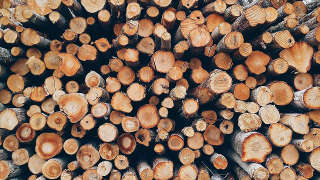
Pine timberland and managed plantations

Pine timber is a clean fit for the rolling hill country around Monticello and the smaller communities. Tracts often have the kind of slope and drainage that keep equipment workable most of the year, and that matters when you are thinning, burning, or doing a final harvest. Good pine ground also pairs well with hunting because a rotation creates edge habitat, bedding cover, and fresh browse. Buyers who think long-term like timber because it is not just one payday. A well-managed stand can be thinned, improved, and held as a real asset, while still being fun to own.
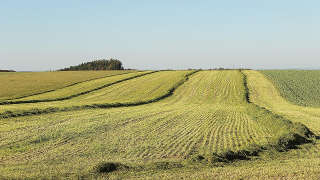
Pasture and hay fields for cattle and leasing
Pasture and hay ground

Pasture and hay fields matter here because they turn a property into something you can use immediately. Buyers run cattle, cut hay, or lease grazing to neighbors, and open ground also helps with visibility and access for rural living. Pasture can sit alongside timber without conflict if fences, lanes, and gates are planned well. On mixed tracts, a common strategy is to keep the best open ground in grass, manage the woods for timber and wildlife, and use creek bottoms as natural cover and travel corridors. That combination is attractive because it spreads risk and keeps the land useful in more than one market.

Are you selling land in Mississippi

From Delta Farms to Pine Hills—We Bring Buyers

Thinking about selling land in Mississippi? Whether it’s a soybean farm in the Delta, timberland in Winston County, or a recreational tract in Clarke, Tutt Land Company knows how to market and move Mississippi property.

With more than 80+ years of land-focused experience, we connect your acreage with serious buyers using proven strategies—professional videos, targeted digital ads, and promotion across national platforms and Southeast land networks. Our name is trusted from the Tennessee line to the Gulf Coast.

Don’t just list your land—sell it with experts who live and breathe Mississippi dirt.

Deer Hunting and Lake Fishing That Make Lawrence County Land Worth Owning
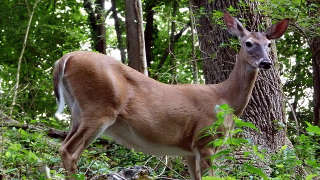
Hunting and fishing are a real part of how buyers judge land here, not an afterthought. Pine timber blocks, cutover edges, creek bottoms, and pasture borders create the kind of mix that holds deer and turkeys through the season. A lot of tracts hunt best when you keep pressure low and use natural funnels like crossings, timber roads, and drainages. For fishing, local lakes and private ponds can add daily use value, especially for families. Lake Mary Crawford is known as a bream lake and it also produces bass, crappie, and catfish, which is exactly what most buyers want on a weekend without driving half the state.
Whitetail deer
Whitetail deer

Deer use creek bottoms, young cutovers, and pine edges for cover and travel. Small food plots near thick bedding usually outperform big open plots that feel exposed in daylight.
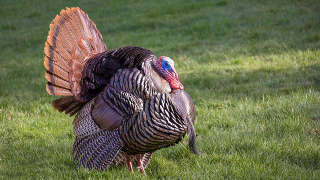
Wild turkey
Wild turkey

Turkeys key in on open edges, logging roads, and bug-rich openings around timber. Quiet access and a couple of well-placed setups beat running-and-gunning the same ridge every weekend.
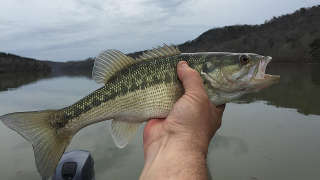
Largemouth bass
Largemouth bass

Bass fishing is a draw on local water, and private ponds can fish well with basic management. Vegetation edges, depth changes, and structure are the consistent producers in small lakes.

Bream and bluegill
Bream and bluegill

Bream are the family-friendly win because kids can catch them all day with simple bait. A tract with a good pond or quick access to a managed lake adds everyday value that buyers actually use.

Small-Town Access, Real Infrastructure, and a Pace That Fits Landowners

Buying rural land is not just about the dirt. It is about how the place works on a Tuesday, not just how it looks on a Saturday. The Monticello area gives you a practical center for supplies, schools, and local services, which matters if you are managing poultry, timber, cattle, or a weekend hunting place. You can live outside town and still have quick runs for feed, hardware, fuel, and parts. That convenience is a big reason smaller acreage tracts sell well here. Another point buyers like is how properties tend to be usable without extreme site work. Rolling terrain usually gives you at least one good home site, and many tracts already have lanes, old logging roads, or established openings. That makes it easier to put in a camp, build a shop, or lay out a simple hunting plan without spending the first two years just trying to access your own land. If you are a timber buyer, the same thing applies. Good access and a clean boundary are what turn a "pretty map" into a tract you can actually manage. Community life stays local and straightforward. People still care about courthouse-square events, local ball fields, church dinners, and the kind of seasonal festivals that pull folks together. That matters because rural ownership is easier when you have a community you do not mind being part of. If you want land that can produce income, hunt well, and still feel connected to a real place, this county fits that style better than many areas that are either too remote or already priced like suburbs.

Explore Land for Sale Near Lawrence County Mississippi

More options nearby can help you compare timber markets, poultry density, and the kind of terrain you want. If you are shopping a wider radius, these neighboring counties are common cross-shops for buyers who want similar hill-country tracts and practical access.
Lincoln County

Land for sale in Lincoln County, Mississippi often leans toward timber tracts, small farms, and hunting ground with good road access. It is a strong comparison county if you want similar terrain and a steady land market.

Land for Sale in Lincoln County, Mississippi
Walthall County

Land for sale in Walthall County, Mississippi includes timber and pasture mixes that appeal to hunters and small-farm buyers. It is a good nearby option if you want similar woods-and-fields habitat and rural living.

Land for Sale in Walthall County, Mississippi
Jefferson Davis County

Land for sale in Jefferson Davis County, Mississippi is often bought for poultry country, timber, and weekend hunting tracts. It is a practical alternative if you want similar land uses and comparable tract sizes.

Land for Sale in Jefferson Davis County, Mississippi

FREQUENTLY ASKED QUESTIONS

How big of a deal is poultry farming in this county?

Poultry farm land in Lawrence County, Mississippi is not a side hustle, its the main event. The county profile shows poultry and eggs are the bulk of livestock sales, and broiler inventory is measured in the millions. If you are shopping for income property, that matters more than pretty words on a listing.

What crops actually make sense on local ground?

Row crop land in Lawrence County, Mississippi leans toward soybeans and forage first. The 2022 ag census lists hay/haylage and soybeans as the top crops by acres, which fits the pasture-and-feed setup you see across the county. Smaller veggie acreage exists, but most buyers are looking at hay, grazing, and rotational bean ground, not 1,000-acre delta row crop spreads.

Is cattle or pasture land a real play, or just filler acreage?

Pasture land in Lawrence County, Mississippi is a real part of the land economy, not just "extra." The county profile shows pastureland acreage roughly in the same neighborhood as cropland and woodland, and cattle inventory is meaningful. For buyers, that usually means you can run cows, cut hay, or lease grazing while timber grows in the background.

What are the notable fish species a buyer should plan around?

Fishing opportunities in Lawrence County, Mississippi center on bream/bluegill, largemouth bass, crappie, and catfish in public water like Lake Mary Crawford, plus ponds and creek systems. If a tract has a good farm pond, it can be a bigger value-add than an extra bedroom you will never use. For rules, Lake Mary Crawford has specific bass slot and creel guidance published in regulations.

How good is turkey hunting in this part of Mississippi?

Turkey hunting near Lawrence County, Mississippi benefits from nearby public-land habitat in the Homochitto National Forest region, which is known for deer and turkey opportunities. Private tracts with a mix of open edges, managed timber, and bug-rich ground can hunt well when you keep disturbance low. Translation: do less, walk quieter, and stop slamming truck doors like you are mad at them.

What about hogs, predators, and the stuff nobody puts in listings?

Hunting land in Lawrence County, Mississippi can include feral hog pressure depending on the neighborhood and how connected the woods are. Even when hogs are not thick, coyotes and bobcats show up, especially around pasture edges and creek bottoms. If you want the place to stay huntable, plan on year-round trail cam checks and a basic control plan, not a once-a-season panic.

Sell Your Mississippi Land From Delta Farms to Pine Hills—We Bring Buyers

Thinking about selling land in Mississippi? Whether it’s a soybean farm in the Delta, timberland in Winston County, or a recreational tract in Clarke, Tutt Land Company knows how to market and move Mississippi property.

With more than 80+ years of land-focused experience, we connect your acreage with serious buyers using proven strategies—professional videos, targeted digital ads, and promotion across national platforms and Southeast land networks. Our name is trusted from the Tennessee line to the Gulf Coast.

Don’t just list your land—sell it with experts who live and breathe Mississippi dirt.

Start Selling Mississippi Dirt From Muddy Boots to Big Commissions—Sell Dirt Like a Pro

If you know the creeks, fields, and timber stands of Mississippi like the back of your hand, there’s a career waiting for you at Tutt Land Company. From hardwood bottoms in Oktibbeha County to cattle land in Lincoln, we help land professionals turn local knowledge into long-term success.

Tutt Land professionals represent premier properties across Mississippi—timber tracts, hunting land, farms, and large-acreage investments. With strong mentorship, powerful marketing tools, and a name landowners trust, you’ll be positioned to grow a business built on soil, strategy, and service.

So whether you’re yelling Hotty Toddy, chanting Hail State, rooting for the Golden Eagles, or backing high school powerhouses like the Starkville Yellowjackets and Madison Central Jaguars—if Mississippi land is your calling, Tutt Land is your launchpad.

Start Your Mississippi Land Career Today