


Why Walthall County Mississippi Land Attracts Buyers
In the southwest corner of Mississippi, this county sits between pine hills, sandy ridges, and clear creeks that roll toward the Louisiana line. Elevation changes are gentle but steady, with upland benches breaking down into hardwood drains along Magees Creek and other small tributaries. Soils range from well drained sandy loams on the higher ground to heavier, more moisture holding types near the bottoms, which gives landowners room to mix pasture, timber, and homesites on the same tract.
For buyers who care about long term value, that mix of soils and terrain matters. Pine sites can be managed for pulpwood and sawtimber while low areas support better forage for cattle or hay. Forestry and agriculture both carry weight in the local economy, with timber and poultry providing a large share of jobs and income for the county. Small herds of cattle, hay fields, and backyard gardens fill in the gaps, so landscapes feel productive without being overbuilt or industrial.
Families and part time residents like the pace of life here. Tylertown serves as the main service hub with schools, churches, and everyday shopping, while smaller communities and crossroads keep a close knit feel across the countryside. Local events such as the long running Dairy Festival and bluegrass gatherings at the Southwest Events Center add to that small town identity and keep people coming back year after year. For many buyers, the real draw is simple: plenty of elbow room, reliable land uses, and a location close enough to bigger markets while still feeling rural.
Natural Features That Shape Walthall County MS Rural Land
Across this part of Mississippi, rolling uplands, broad creek bottoms, and mixed pine hardwood forests set the tone for how land is used. Upland ridges with sandy soils tend to favor planted pine and pasture, while the lower ground follows clear streams with hardwoods and thicker understory. The county has very little open water by acreage, but creeks and small ponds show up on many tracts and offer dependable water for wildlife and livestock. For buyers, those natural features combine into a landscape that is easy to manage yet still feels wild in the right corners.
Magees Creek Watershed
Magees Creek and its tributaries cut through the county in a southwest pattern, carrying clean water toward the Bogue Chitto River. Land use along this watershed leans heavily toward pasture and forest, with small pockets of cropland and wetland. These corridors create natural travel routes for deer and turkey and give buyers a built in water feature that is hard to replace.
Pine Hills And Sandy Ridges
Upland hills are usually capped with sandy or fine sandy loam soils that drain well and are easy to work. Many of these sites already carry planted loblolly pine or mixed volunteer pine stands that respond well to thinning and prescribed fire. For landowners focused on timber or pasture, these ridges offer stable access for equipment in most seasons.
Hardwood Bottoms And Drains
Along creeks and small branches, hardwoods like oaks and gums take over and create cooler, shaded corridors. These bottoms collect rich soils and hold moisture longer, which benefits mast production and wildlife cover. Many buyers use these areas as natural hunting funnels or quiet spots for homesites tucked out of the wind and sun.
Timber, Pasture, And Poultry Investment Land In Southwest Mississippi
Rural tracts in this county give investors several clear paths to long term returns. Pine plantations can be managed on standard Southern rotation schedules, with thinning income arriving before final harvest. Open ground supports hay production and grazing, helping offset holding costs while building soil health. Poultry and cattle enterprises already play a measurable role in the local farm economy, which means service providers, feed sources, and markets are close at hand.

Pine Timber Tracts
Pine timber tracts in this county benefit from a long growing season, reliable rainfall, and established mill markets across south Mississippi and nearby Louisiana. Investors can step into existing stands or start fresh on cutover ground, using thinning, burning, and herbicide work to shape stands over time. When managed well, these properties offer multiple cash events during the life of the stand, from pulpwood thinnings to final sawtimber harvest, while still leaving room for hunting and recreation. Access to regional forestry professionals makes it easier for out of area buyers to manage from a distance.
Pasture And Hay Ground
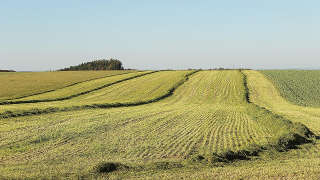
Open pasture in this area often started as cutover or former cropland that was seeded to grass for cattle. Gentle slopes and moderate rainfall support good forage growth with a basic fertilization and liming program. Buyers can run their own cattle, lease grazing to a neighbor, or cut and sell hay depending on time and equipment. Because poultry and livestock are important in the local farm mix, demand for quality hay and pasture remains steady, which helps these tracts hold value even when timber or crop markets shift.

Poultry Farm And Support Land
Land associated with poultry operations can include house sites, litter storage, and open ground used for spreading and forage. The broader Mississippi farm economy leans heavily on broilers and eggs, and this county contributes its share of farms and production. For investors, tracts that already have utility access, all weather roads, and proper setbacks from neighbors are valuable, whether or not new houses are built. Even without poultry barns, such land fits well as a base for cattle, hay, or custom farming and often sells quickly when it reaches the market.
Are you selling land in Mississippi
From Delta Farms to Pine Hills—We Bring Buyers
Thinking about selling land in Mississippi? Whether it’s a soybean farm in the Delta, timberland in Winston County, or a recreational tract in Clarke, Tutt Land Company knows how to market and move Mississippi property.
With more than 80+ years of land-focused experience, we connect your acreage with serious buyers using proven strategies—professional videos, targeted digital ads, and promotion across national platforms and Southeast land networks. Our name is trusted from the Tennessee line to the Gulf Coast.
Don’t just list your land—sell it with experts who live and breathe Mississippi dirt.
Wildlife, Hunting, And Fishing Land In Walthall County MS
Hunters in this county enjoy a mix of wooded cover, small fields, and creek corridors that hold whitetail deer, turkey, quail, dove, and other small game. Many properties already have a blend of pine for bedding cover and hardwood drains for mast, which creates natural patterns for stand locations. Small ponds and creek pools give anglers chances at bass, bream, and catfish close to home. For buyers, it is easy to find tracts that pull double duty as an investment and a weekend hunting camp.

Whitetail Deer
Deer use pine thickets on uplands for bedding and travel down into hardwood drains and fields to feed. Landowners who mix food plots with secure cover usually see steady movement and good opportunities during bow and gun seasons.
Eastern Wild Turkey
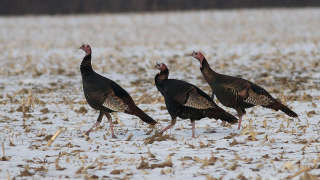
Turkeys favor the county’s open pine stands and hardwood ridges, especially where there is a mix of insects and mast on the ground. Carefully timed burns and light thinning can improve bugging areas and create more huntable edges for spring mornings.
Wild Hogs
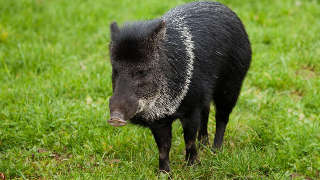
Hogs show up along creek bottoms and wetter soils, rooting for acorns, grains, and tubers. While they can be a management challenge, they also offer additional hunting opportunity and may be controlled through targeted trapping and night hunts where allowed.

Fishing Ponds And Creeks
Many tracts feature small ponds stocked with bass and bream or access to clear creek pools that hold a mix of panfish and the occasional catfish. Simple improvements like lime, structure placement, and light feeding can quickly raise the quality of fishing right on the property.
Living, Working, And Investing In Walthall County Mississippi
Life in this corner of Mississippi feels unhurried but connected. Two lane highways link small communities to Tylertown for schools, groceries, and services, and from there drivers can reach larger markets like Hattiesburg or the Northshore of Louisiana without much trouble. Many buyers use rural tracts as weekend places at first, then shift to full time living once they see how easy it is to balance privacy with access to work and health care.
Community culture leans heavily on agriculture, churches, and local events. The long running Dairy Festival, bluegrass gatherings, and shows at the Southwest Events Center draw people from several counties and even across the state line. Those traditions reinforce the county’s reputation as the “cream pitcher of Mississippi” and remind buyers that they are not just purchasing dirt, but also stepping into a place with its own rhythm and stories.
For investors and families alike, the real selling points are simple things that are hard to replace once they are gone. Quiet roads, dark night skies, room for kids to ride four wheelers or fish after school, and a tax base grounded in working land instead of heavy industry all add up over time. Whether the goal is a small farm, a timber investment with a camp, or a long term homestead, this county offers a practical blend of productivity and peace that continues to attract new owners.
Explore Rural Land In Nearby Southwest Mississippi Counties
Southwest Mississippi as a whole offers rolling timberland, small farms, and creek bottoms that appeal to hunters and long term landowners. Buyers who start searching in one county often widen their search by a short drive to find the right mix of price, access, and habitat. Looking at nearby counties increases the odds of finding the tract that fits both the budget and the plan.
Pike County
Pike County blends timber tracts, pasture, and residential acreage along key highway corridors and near small towns. Land for sale in this area often offers quick access to services while still giving room for hunting, hobby farms, and long term investment.
Marion County
Marion County lies just east and offers large timber holdings, river bottom habitat, and rural communities with a strong agricultural base. Buyers searching for hunting land or mixed use tracts often consider this county for its variety of sizes and price points.
Lawrence County
Lawrence County to the north features a patchwork of pine stands, hardwood creeks, and small farms. Rural land here appeals to buyers who want privacy, strong hunting potential, and steady timber growth within a reasonable drive of larger towns.