


Why Tunica County Mississippi Land Attracts Buyers
Land buyers who like clean, workable ground tend to focus on this part of the Delta for one main reason: the land usually lays flat and it is built for use. That matters if your plan is leasing row crop acres, building a small camp, or setting up a long-term hold that stays easy to maintain. Field shapes are often straightforward, access is usually simple, and you can get real answers fast on drainage, levee proximity, and past yields.
Another draw is location. Memphis is close, so owners can check on property without turning it into an all-day trip. That also helps with hunting weekends, tenant visits, and equipment moves. And while the county has deep agricultural roots, it also has a unique modern twist with the Tunica Resorts area bringing steady visitor traffic and service jobs. That mix can help certain tracts near the right corridors hold demand from more than one buyer type.
Most purchases still come back to land use. Flat ground supports row crops, the edges and slough lines can carry wildlife, and the local water features create options for fishing and duck setups when the conditions line up. Buyers who want land that can earn, hunt, and stay easy to own usually find the Delta checks those boxes.
Delta Waterways and Flat Ground That Shape Tunica County Land Value
Usable ground is the headline here, but the natural features are what explain why the county works the way it does. The landscape sits in the Mississippi Delta alluvial plain, so slopes are light and field grades are subtle. That helps with equipment, row layout, and building pads, but it also means water management is part of the ownership story. Small elevation changes can decide whether a corner stays dry, holds winter water, or needs a clean ditch line.
Oxbow lakes and river-influenced backwaters add another layer. They can support fishing, attract winter birds, and create the kind of cover that makes a small recreational tract feel bigger than it is. Buyers who pay attention to drainage paths, timber pockets, and access points tend to get more value out of the same number of acres.
Mississippi River Delta Alluvial Plain
Flat terrain and deep alluvial deposits support large, efficient fields and consistent soil performance. Small grade changes still matter, so drainage and field leveling can drive real differences in usability.
Tunica Cutoff (Tunica Lake)
This large oxbow is tied to the river system and is known locally for bream and crappie fishing. Nearby tracts can carry extra recreational appeal when access and water levels cooperate.
Coldwater River Corridor
A major regional waterway runs along parts of the county boundary and influences drainage patterns and seasonal water. Land near these corridors often includes sloughs, tree lines, and wet pockets that can improve habitat diversity.
Row Crops, Lease Ground, and Recreational Edges for Investment Buyers
Investment land decisions in the Delta are usually simple: can the ground produce, can it be accessed, and can it be managed without drama. That mindset fits Tunica County. Flat fields support row crop systems, and many tracts are shaped for efficient planting and harvest. Where the land breaks into slough edges, timber strips, or drainage corridors, it can add recreational value without taking away the ability to farm the main acres.
Lease potential is a big part of the story. Buyers who want a hands-off hold often look for tracts that a local operator can farm with standard equipment and clear access. And for owners who want personal use, smaller pieces can still work if they include a field edge, a water feature, or a quiet back corner that hunts well.
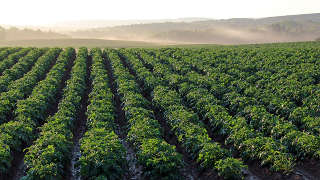
Row Crop Farmland
Row crop acres are the core driver of land value in this county. Flat fields support modern planting and harvest, and that keeps operating costs predictable for tenants and owner-operators. Buyers often focus on soil performance, field shape, and the condition of ditches and turn rows, because those details decide how easy the place is to farm year after year. A strong tract is not just about acres on paper. It is about how the water moves after heavy rain, how the field entrances hold up, and whether the layout allows efficient passes without wasting time. When those pieces line up, lease demand tends to stay steady.
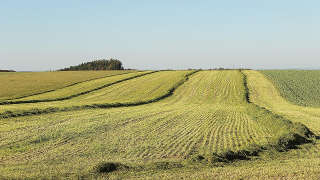
Irrigation and Water Management
Delta ground can be productive, but water is always part of the plan. Many buyers value tracts that already have a clear irrigation path or a realistic option to add it. Irrigation supports yield stability and can help a lease pencil out across more weather scenarios. Water management is bigger than pumps, though. It includes field leveling, ditch upkeep, culvert placement, and how the tract ties into surrounding drainage. A property that handles water well is easier to farm, easier to maintain, and usually easier to sell later. That is why buyers often ask about water first, even before they ask about timber or hunting.
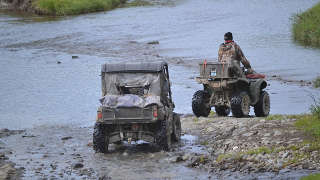
Recreation and Mixed Use Tracts
Not every buyer wants a full-on farm, and the county still offers tracts that balance use. Field edges, tree lines, and wet pockets can create strong deer movement, and the open layout makes it easier to hunt travel routes without guessing. Some buyers like a smaller piece that can be a weekend spot now and a long-term hold later, especially when the land sits close enough to check on from Memphis. Mixed use value usually shows up when a tract has one or two real features: a fishable oxbow nearby, a slough line that holds winter birds, or a back corner with cover that stays quiet. Those details help a tract stand apart.
Deer, Ducks, and Oxbow Fishing on Tunica County Mississippi Land
Hunting and fishing value here is tied to edges and water. Big open fields create food, and the cover shows up along sloughs, drainage corridors, timber strips, and older fence lines. That is where deer travel and where small game stays thick. In wet years, low areas and managed water can pull ducks, especially when nearby agriculture gives birds a reason to hold in the area. Fishing interest often centers on oxbow water, where panfish and crappie are a real draw for owners who want something to do between hunts.

Whitetail Deer
Deer use field edges and slough cover to move between feeding areas and bedding pockets. Tracts with multiple edge lines often hunt bigger than their acreage.

Turkey
Turkeys favor tree lines, levee edges, and quiet bottomland cover where they can roost and travel. Mixed cover near open ground can create consistent spring action.

Feral Hogs
Hogs show up around thick cover and wet pockets, and they can cause real damage to levees and field edges. Buyers often factor control work into long-term plans.

Fishing (Oxbow Waters)
Oxbow lakes and backwaters give landowners a simple, repeatable way to enjoy a tract without a long drive. Bream and crappie are popular targets, especially when water stays stable.
Close-to-Memphis Ownership With Real Delta Culture
Convenience is a big part of why buyers keep circling back to this county. Being close to Memphis changes how people use land. A tract can be a true weekend place instead of a once-a-season trip. That matters for hunting, checking on a tenant, or just keeping up with roads and ditches. It also widens the pool of future buyers, since more people can realistically own property and still see it often.
Local culture adds something you do not get in a generic farm county page. The Delta identity is real, and the music history is part of the backdrop even when you are just driving levee roads. And the Tunica Resorts area brings a different kind of activity than most rural counties, with hospitality jobs and visitor flow that supports restaurants and services nearby.
For landowners, the social upside is simple: it is easier to bring people together. Friends can meet for a hunt without a long haul. Family can fish an oxbow and be back home the same day. And when a place is easy to reach, it gets used more, which is the whole point for a lot of buyers.
Explore Land for Sale Near Tunica County Mississippi
Regional buyers often compare tracts across a few nearby counties because the land can change fast with drainage, timber cover, and field layout. Looking just one county over can help you find the mix of row crop, hunting edges, and access that fits your plan.
DeSoto County
More development pressure can push rural land values in a different way than the deep Delta. Smaller tracts with quick access tend to appeal to buyers who want convenience and future demand.
Land for Sale in DeSoto County, MississippiQuitman County
Delta farmland and wildlife corridors often overlap here, which can create strong mixed-use value. Buyers commonly look for lease ground with a few natural edges that hunt well.
Land for Sale in Quitman County, MississippiTate County
More topographic change shows up as you move away from the flattest Delta ground. That can mean more timber, different drainage patterns, and a different style of recreational tract.
Land for Sale in Tate County, Mississippi