


Why Palm Beach County Florida Land Attracts Buyers
Serious farm output, year-round growing seasons, and a deep logistics web create real advantages for buyers here. Western acreage taps the Everglades Agricultural Area, where organic muck soils deliver high yields in sugarcane, rice, sweet corn, lettuce, and green beans. Large water-control canals, pump stations, and farm roads support modern equipment and multi-crop rotations. Eastern tracts lean toward nurseries, ranchettes, and equestrian estates that value proximity to services, airports, and labor.
Strong end-market access is a defining feature. U.S. 27, Florida Turnpike, I-95, and rail links move produce, sod, and ornamental plants quickly to South Florida metros and interstate buyers. Cold storage, packing houses, and input suppliers are well established, lowering ramp-up friction for new operators. For investors, the mix of row-crop income in the west and premium lifestyle demand in the east helps diversify returns within one county line.
Outdoor access is not an afterthought. Lake Okeechobee sits to the west with nationally known bass and crappie fishing. Public lands like J.W. Corbett WMA add seasonal deer, hog, and turkey opportunities across pine flatwoods and cypress strands. The Wild and Scenic Loxahatchee River offers paddling and tidal fishing close to town. That blend of production, recreation, and proximity to global equestrian events in Wellington gives this market a unique, durable pull for owners and end users alike.
Natural features that make buying land in Palm Beach County worth it
Access to water, fertile soils, and coastal-to-lake ecosystems set this area apart. The county transitions from Atlantic coastal plain to interior wetlands and broad prairies near Lake Okeechobee. That gradient creates varied land uses, from nurseries on higher sands to high-yield vegetables and cane on deep organic soils. Canals and levees managed across regional districts enable both irrigation and drainage, which is critical for year-round operations.
Recreation tracks the same geography. Cypress domes and pine flatwoods shelter deer, turkey, and small game, while canals and connected waters hold bass, panfish, and seasonal exotics. Tidal stretches of the Loxahatchee River provide snook and tarpon potential close to population centers. For buyers, those assets reduce compromise: productive acreage can still sit within a short drive of boat ramps, trailheads, and urban services.
Canal and Levee Network
Regional canals support irrigation, drainage, and flood control that keep farms productive across wet and dry seasons. Levee access also aids field logistics and equipment movement during harvest windows.
Organic Muck Soils
Deep organic profiles in the Everglades Agricultural Area deliver exceptional yields in cane, rice, and winter vegetables. Proper water control and nutrient management are essential for long-term performance.
Loxahatchee and Flatwoods
Blackwater river corridors and pine flatwoods add wildlife habitat and recreation potential. Buyers value quick access to paddling, hiking, and seasonal hunting without leaving the county.
Sugarcane, Rice, Vegetable, and Equestrian Investment Land
Row-crop opportunities concentrate along the west where farm blocks scale efficiently under a mature water-control system. Sugarcane provides base acreage with multi-year stand life and established mills. Rice fits summer windows and rotation needs, while winter vegetables like sweet corn and lettuce target premium markets. Operators can stage equipment on wide field roads and move product along U.S. 27 to buyers and processors.
On the east side, equestrian estates, training facilities, and nurseries benefit from road access, services, and the broader Wellington circuit. Smaller ranchettes, layup farms, and hay ground round out the mix. For investors, pairing a western production tract with an eastern lifestyle or horticulture parcel can hedge weather, market cycles, and tenant risk inside one county portfolio.
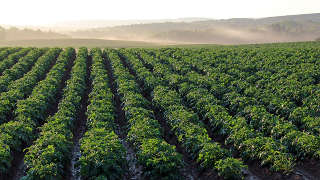
Sugarcane and Rice Blocks
Production land in the Everglades Agricultural Area leverages deep organic soils, canal frontage, and nearby mills. Sugarcane stands provide multi-year cycles with ratoon potential, spreading replant costs and stabilizing cash flow. Rice commonly fills summer rotations, managing weeds and soil structure while adding income. Buyers should evaluate pump capacity, canal rights, and existing BMP enrollment, then model haul distances and mill schedules to confirm margins. Well-laid interior roads and turnarounds reduce harvest time and equipment wear across large fields.
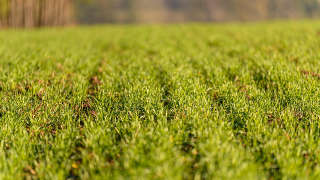
Vegetable Ground
Winter vegetables such as sweet corn, lettuce, and beans excel where drainage can be fine-tuned between cold fronts and rain events. Proximity to packing houses, inputs, and labor improves execution on tight harvest windows. For new operators, leased pivots or portable pumps can bridge early seasons before permanent upgrades. Look for fields with proven yields, good crown elevation, and efficient access to paved haul routes. Crop insurance options and forward contracts can further balance price and weather risk in annual plans.
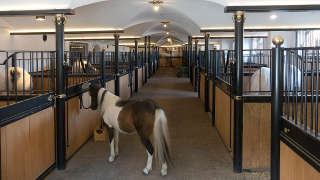
Equestrian Estates
Training barns, arenas, and turnout paddocks cluster within reach of Wellington shows and services. Dry, well-drained soils and room for covered arenas drive value. Buyers often prioritize trailer access, perimeter visibility, and space for staff housing or layup pastures. Rental demand during peak events can offset ownership costs. Assess well depth and water quality for dust control, confirm legal driveway widths for rigs, and map sound buffers around arenas. The best sites marry horse-first design with quick access to vets, feed, and farriers.
From Groves to Glades— We Bring Buyers
Let Tutt Land Do the Heavy Lifting
Selling land in Florida? Tutt Land Company makes it easy to connect your rural acreage with qualified buyers across the Southeast. Whether it’s pastureland in Okeechobee, timber in Liberty County, or hunting land in Madison County, our team has the reach and experience to get it sold.
We market your land with precision—through national listing platforms, custom property videos, social media, print, and direct outreach. From citrus groves to pine flats, Florida land deserves more than a listing—it needs a strategy. With over 80+ years of experience and deep Southeastern roots, we know how to showcase what makes your property valuable.
If you’ve got Florida land, Tutt Land brings the buyers.
Wildlife, Hunting, and Fishing across canals, flatwoods, and the Big Lake
Public lands and connected waters give owners multiple seasons of use. J.W. Corbett WMA mixes pine flatwoods, cypress strands, and marsh with hunts for deer, wild hogs, turkey, and small game under rotating seasons. Dove fields and managed openings add opportunity during early fall. Canals and levees often hold panfish and bass, and many farms border water that provides bank access after work.
Lake Okeechobee brings winter crappie action and big Florida-strain bass potential when levels and grass lines cooperate. On the coast side, the Loxahatchee River shifts from freshwater cypress upstream to brackish tidal reaches with snook and tarpon closer to the inlet. That range means a buyer can work a farm day and still fish at sunset, or sneak in a morning sit during deer season without leaving the county.
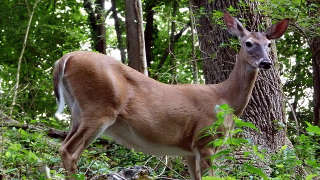
White-tailed Deer
Flatwoods edges and cypress transitions provide travel corridors and bedding cover. Food plots, mast, and managed openings near water improve daylight movement during archery and gun seasons.
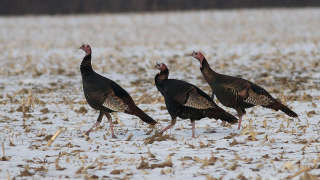
Wild Turkey
Pine-savanna structure with scattered openings supports bugging and strutting. Late-season birds work firebreaks and levee edges where visibility and travel lanes line up for careful setups.
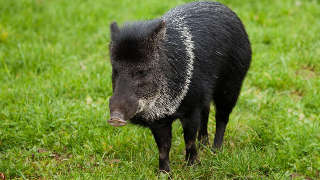
Feral Hogs
Marsh margins, cane edges, and canal banks show rooting, wallows, and trails. Night movement increases around crop stages and fresh rain; sturdy fencing and pressure help protect fields.
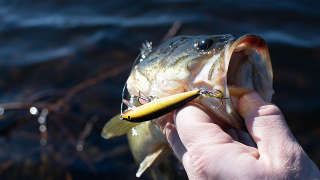
Fishing: Lake and Canals
Lake Okeechobee produces trophy bass and strong winter crappie bites. Interior canals add steady panfish and bank-friendly access, while tidal reaches of the Loxahatchee hold snook and juvenile tarpon.
Logistics, water management, and why operations scale here
Operational friction is low when land, water, and roads align. Field blocks are typically large, with straight edges and canal frontage that simplifies irrigation and drainage. Equipment can stage on graded lanes, and turnouts reduce compaction at field ends. Haul routes connect quickly to U.S. 27 and major corridors for mills, packers, and ports. That infrastructure shortens the distance between plan and execution, which matters during narrow harvest windows.
For lifestyle and equestrian buyers, the same network pays off differently. Access to vets, feed suppliers, farriers, and show venues compresses daily chores and reduces downtime. Builders, well drillers, and fencing crews are used to rural projects, which helps new owners stand up arenas, barns, and housing without guesswork. The net effect is simple: more useful days per year, whether you grow cane or gallop a warmblood.
Nearby counties with land opportunities
Regional context can sharpen search results. Adjacent counties provide similar soils, water access, and markets with different price points and parcel sizes. Many buyers compare options across county lines before committing capital improvements.
Martin County
Smaller-acre offerings near the coast with nursery, equestrian, and specialty-crop potential. Access to I-95 and U.S. 1 helps move products quickly to local markets.
Land for Sale in Martin County, FloridaBroward County
Urban-adjacent acreage for equestrian and nursery uses with strong service access. Buyers value proximity to airports, ports, and dense consumer markets.
Land for Sale in Broward County, FloridaHendry County
Interior farm country with large tracts suited to cane, citrus recovery plantings, and row crops. Canal frontage and broad field layouts support efficient equipment flows.
Land for Sale in Hendry County, Florida