Land for Sale Seminole County, Florida

FARMS & RIVER TRACTS

Central Florida buyers who want land near Orlando find Seminole County sitting between the St. Johns River, big lakes, and fast-growing towns. Rolling sandhills, cabbage-palm hammocks, and pine flatwoods blend into floodplain marsh around Lake Jesup and Lake Monroe. Parcels here can work for small cattle herds, horse farms, nurseries, row crops, and rural homesites. Old-timers still call this the Celery County, a nod to the celery, citrus, and cattle that once carried the local farm economy.

Florida Trusted Land Professionals

Every county has its own feel — the land, the timber, the communities, and the opportunities that come with them. Working with people who know this ground firsthand makes everything easier. Whether you want to buy or sell, our team understands this county and how to match the right properties with the right buyers. They know the backroads, the soil types, the hunting spots, and the market trends that matter.

Why Seminole County Florida Land Attracts Buyers

Land buyers who want both growth and elbow room pay close attention to Seminole County. Rural pockets still sit within a reasonable drive of Sanford, Oviedo, Lake Mary, and Altamonte Springs, so a small farm or recreational tract does not have to mean giving up access to hospitals, jobs, and schools. The St. Johns River corridor, Lake Jesup, and Lake Monroe create a strong base for fishing, boating, and wetlands that will not be duplicated in a new subdivision. That combination of water, established towns, and transportation routes gives land here long-term appeal.

For owners who care about how dirt actually works, Seminole County mixes dry sandhills, flatwoods, and wet hammock ground in a way that can support pasture, hay fields, small cattle operations, horse properties, and specialty crops on the right soils. Trails, wildlife areas, and conservation lands buffer many private tracts, which helps protect views and habitat. As the Orlando metro keeps pushing outward, acreage that already has good access, power, and a workable zoning situation tends to hold value. Buyers who move early can still find tracts with enough size to hunt, keep livestock, or build a family compound while staying tied into the regional economy.

Natural Features That Make Seminole County Land Stand Out

Seminole County sits in a spot where big river floodplains, spring-fed creeks, and sandy uplands all pinch together. The St. Johns River, Lake Jesup, and Lake Monroe dominate the eastern edge, with broad marshes, cypress heads, and open water that hold fish, wading birds, and ducks. Move a few miles inland and those wetlands roll into pine flatwoods, scrub oak ridges, and scattered hammocks that work well for hunting and wildlife viewing. Elevation changes are subtle but real, and a few feet of height can decide whether a homesite stays dry or holds standing water after a storm. For a land buyer, those natural systems do more than look pretty. Floodplain and conservation pieces can be used for recreation and timber while keeping improvements on higher ground. Creek corridors and timbered ridges provide natural travel routes for deer and turkeys, and they break up views so even smaller tracts feel more private. Properties that tie into state forests, wildlife management areas, or river greenways often enjoy better access to trails, boat ramps, and long-term habitat protection than isolated parcels in more heavily paved counties to the south.
St. Johns River Floodplain

The St. Johns River forms the eastern boundary of Seminole County and carries a wide belt of wetlands, backwater sloughs, and oxbows. These lowlands store stormwater for the whole basin, support high-quality fishing, and draw waterfowl, alligators, otters, and wading birds. Riverfront acreage can offer boat access and big views when homesites are placed on higher ground just outside the most active floodplain.

Sandhills and Pine Flatwoods

Away from the river, much of the upland ground is made up of sandy ridges and flatwoods planted in pine. These areas drain quickly and can be managed for improved pasture, timber, or horse facilities with proper planning. Native scrub and sandhill communities hold gopher tortoises, songbirds, and plenty of browse for deer, which makes them useful for both wildlife and working land.

Econlockhatchee Creek Corridors

The Econlockhatchee River and Little Big Econ State Forest protect long stretches of hardwood bottomland, sandhills, and blackwater creeks. Private tracts that sit near these corridors benefit from protected views, regional trail connections, and strong wildlife movement. Land along these creeks can feel surprisingly remote while still lying close to Oviedo, Chuluota, and the east side of Orlando.

Horse Farms, Small Cattle Tracts, and Specialty Crops in Seminole County
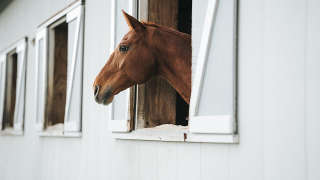
Buyers looking for working land in Seminole County are usually not chasing thousand-acre row-crop spreads. Instead, they are piecing together smaller tracts that mix pasture, barns, and homesites with some timber or natural cover along creeks and drains. Horse owners like the access to established trail systems and show facilities across central Florida, while cattle producers and hay growers appreciate the long warm season and quick response of improved grasses on the better soils. Nurseries, small vegetable farms, and ag-support businesses still slot into the landscape, especially along highway corridors. Because development pressure is real here, land use choices often lean toward combinations that protect flexibility. Many owners set up a primary homesite on high ground, reserve a portion for livestock or equestrian use, and keep wetlands or timbered draws as a buffer and recreational area. Parcels that already have working wells, power, perimeter fencing, and some history of ag assessment with the county can be especially attractive to investors who want current use income while they wait on long-term appreciation tied to the Orlando market.
Horse and Equestrian Properties

Equestrian buyers like Seminole County because they can keep horses on-site and still be close to shows, vets, and training facilities in the greater Orlando area. Five to twenty acres can support barns, paddocks, and a practice arena when the land has enough dry ground and good access. Cross-fenced pastures, shade trees, and a mix of improved grass and natural cover make it easier to rotate horses and keep forage in front of them. Many owners also value direct or short-haul access to the Cross Seminole Trail, Little Big Econ, or other local riding areas so they do not have to haul long distances for a decent trail ride. Buying an existing horse place can save substantial cost on fencing and stable construction, but raw ground with the right shape and soil can be developed over time if the location is strong.
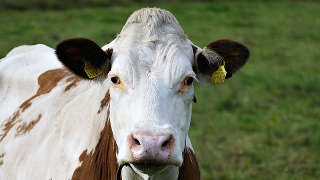
Small Cattle and Hay Operations

Portions of rural Seminole County still carry a cattle and hay tradition, especially near Geneva and other less developed corners. Warm-season grasses can produce multiple cuttings of hay or solid grazing when fertilized and managed correctly. A modest herd of beef cows, replacement heifers, or stocker calves can be supported on a relatively small acreage when owners use cross fencing, water troughs, and rotational grazing. Many operators combine pasture with a hay field or two so they can control more of their winter feed supply rather than buying everything by the bale. Because of nearby development, well-located pasture tracts can also hold long-term value beyond immediate cattle income, giving owners both operating cash flow and a land bank that may appreciate as surrounding areas build out.
Nurseries and Specialty Crop Ground

Seminole County has a long history with truck crops, citrus, and vegetables, and that legacy shows up today in nurseries and specialty farms. Smaller tracts with good road frontage and access to water can support container nurseries, landscape plant production, or high-value crops that ship straight into the Orlando and coastal markets. Producers often favor drip irrigation, hoop houses, and other intensive systems that let them get more out of fewer acres. Zoning, traffic counts, and proximity to existing neighborhoods all matter for these uses, since many operations combine farm income with roadside retail or contract supply for landscapers. Buyers who understand both agronomy and basic retail or wholesale logistics can find strong opportunities on the right piece of ground, especially if it sits along an established corridor like State Road 46 or U.S. 17-92.

Seminole County Hunting Land, Wildlife Habitat, and Freshwater Fishing
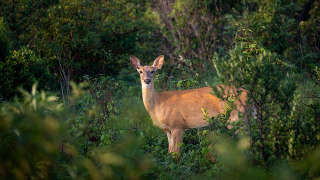
Wildlife in Seminole County reflects the mix of wetlands, pinewoods, and edge habitat created by pasture and timber. White-tailed deer, feral hogs, and Osceola wild turkeys are the main big-game draw for private landowners, with small game, songbirds, and predators rounding out the food chain. Creek bottoms, cypress heads, and rough corners around old pastures tend to carry the most sign, while drier sandhills and flatwoods hold bedding cover and travel routes. Owners who leave pockets of thick cover and manage openings for forage usually see more game over time. On the fishing side, access to the St. Johns River, Lake Jesup, Lake Monroe, and nearby impoundments gives landowners a chance to chase largemouth bass, crappie, bluegill, and catfish without leaving the county. Many buyers specifically look for tracts within a short haul of boat ramps or with enough water on-site for a private pond. Careful attention to wetland rules and pond design can create a combination of fish habitat, waterfowl attraction, and fire protection water that adds value to a property. Taken together, the hunting and fishing options here let owners spend more time outside on their own land and less time driving to distant leases.
White-tailed Deer
White-tailed Deer

Deer in Seminole County use a predictable mix of river bottoms, hammocks, and edge habitat along pastures and clearcuts. Landowners who keep travel corridors undisturbed and provide year-round food and cover tend to see more daylight movement and better age structure over time.
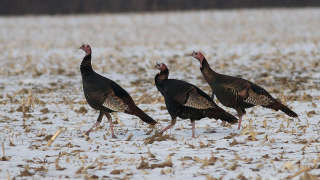
Osceola Wild Turkey
Osceola Wild Turkey

Osceola turkeys use open pine, scattered oaks, and field edges for strutting and feeding, then slip into thicker cover to roost and avoid pressure. Well-managed burns, selective thinning, and light disturbance along roads and openings can create ideal bugging and strut zones for spring hunts.
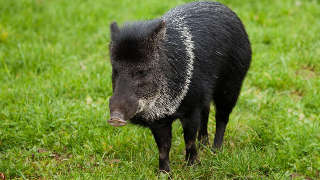
Feral Hogs
Feral Hogs

Feral hogs are common along creeks, wetlands, and low pastures, where they root for acorns, tubers, and insects. They provide extra hunting opportunity but also require active control to protect fences, crops, and native plant communities from excessive damage.
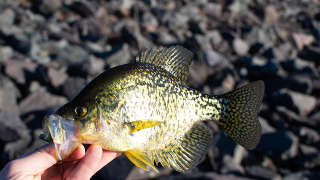
Bass and Crappie Fishing

The St. Johns system and connected lakes offer strong largemouth bass and crappie fishing, with bluegill and catfish rounding out the mix. Proximity to public ramps and the potential for private ponds let landowners fish year-round without needing to leave the county for quality freshwater action.

Living Rural in Seminole County While Staying Close to Orlando

One of the biggest selling points for Seminole County land is how easy it is to stay plugged into the Orlando job market and still enjoy a rural lifestyle. Many tracts sit in pockets just outside town limits where you can keep livestock, run equipment, and hunt a back corner without sharing a fence line with a big subdivision. Good road networks, rail lines, and nearby interstates support commuting and logistics, but large chunks of canopy roads, river corridors, and greenways keep the whole county from feeling overbuilt. That balance is hard to find in many other metro-adjacent counties. Local identity runs deeper than just being part of a big tourist region. The old "Celery City" nickname, farmers markets, feed stores, and long-standing family operations remind buyers that this was, and still is, an agricultural community at its core. Trail systems like the Seminole Wekiva Trail and Cross Seminole Trail, along with boat ramps and parks, make outdoor access part of everyday life. For families who want kids to grow up around animals, woods, and water while still having access to strong schools and medical care, Seminole County offers a practical compromise between full-country living and city convenience.

Explore Land for Sale in Seminole County and Nearby Florida Counties

Buyers who like what they see in Seminole County often look at neighboring counties as well to compare price points, parcel sizes, and development pressure. Each adjoining county brings a slightly different mix of timber, pasture, and suburban growth, so it pays to scan the whole region before settling on a tract. Looking across county lines can also reveal cross-border hunting and fishing options along the St. Johns River and major highways.
Orange County

Orange County sits just to the south and carries a heavier urban footprint but still has pockets of acreage near the outer edges. Buyers here are often targeting future development potential or properties that tie directly into the Orlando employment and tourism base.

Land for Sale in Orange County, Florida
Volusia County

Volusia County lies across the St. Johns River to the north and offers a mix of coastal communities, riverfront, and inland timber and pastureland. Buyers considering Volusia often weigh beach and Intracoastal access alongside rural tracts farther inland.

Land for Sale in Volusia County, Florida
Lake County

Lake County borders Seminole to the west and is known for rolling terrain and a dense chain of lakes. Land buyers here usually look for hillier pasture, lakefront opportunities, and rural tracts that still sit within commuting distance of Orlando and the I-4 corridor.

Land for Sale in Lake County, Florida

FREQUENTLY ASKED QUESTIONS

What kind of fishing can I expect on lakes and rivers in Seminole County?

Anglers who buy land here get quick access to the St. Johns River plus lakes Jesup, Monroe, and Harney, which means a lot of freshwater options in a short drive. Typical catches include largemouth bass, black crappie (specks), bluegill, shellcracker, and various catfish. Crappie and bass fishing usually fire up when the weather cools a bit, and locals lean on live shiners or minnows when the bite gets picky. If you want to double-check current trends and creel limits, the florida fish and wildlife conservation commission keeps updated forecasts and regulations.

What crops make the most sense for row-crop farming in Seminole County today?

Row-crop and specialty growers here tend to lean into vegetables, forage, and niche markets rather than huge commodity fields. Historically this area was big on citrus and celery, and that legacy still shows up in vegetables, leafy greens, sweet corn, and other high-value crops on smaller acreages. Many operations now blend pasture, hay, and improved forage with truck crops or sod so the farm has multiple income streams and can ride out market swings. For current recommendations on varieties, planting dates, and soil management

Is this part of Florida known for poultry farming or something else?

Agricultural history here leans more toward citrus groves, cattle, and celery fields than massive poultry complexes. Modern land use still includes some small-scale poultry and backyard flocks, but most commercial focus has shifted to beef cattle, horse properties, nurseries, and specialty crops as suburban growth has pushed in. For buyers, that usually means fewer large chicken houses next door and more mixed-use rural tracts with pasture, barns, and scattered old grove ground

How flood-prone are riverfront and lakefront tracts along the St. Johns and Lake Jesup?

Buyers looking at shoreline property here have to respect the water, especially around the St. Johns River and Lake Jesup. Much of the low-lying land is tied to broad wetlands and floodplain that store stormwater for the whole basin, so parts of it will flood by design during big rain events. That sounds scary, but those wetlands are exactly what keep roads, homes, and higher pasture from going under as often. Flood maps, elevation shots, and any history of high water are must-have homework, and the st. johns river water management district and seminole county watershed studies publish good reference data

Can I realistically run a small cattle or horse operation on just a few acres here?

Small livestock operations can work here if you are honest about stocking rates and pasture management. Sandy soils, long growing seasons, and regular rain can carry a modest number of cows or horses on well-managed improved pasture, especially when you supplement with hay in the drier months. Fencing, shade, and reliable water are non-negotiable, and most owners end up rotating paddocks to keep grass from getting hammered. For stocking guidelines and forage options that fit local soils, the county extension and sustainable agriculture program at seminolecountyfl.gov are worth a call before you buy your first cow.

What should I know about climate, bugs, and growing seasons if I am moving here from out of state?

New arrivals quickly learn that you trade snow shovels for long growing seasons and a very committed mosquito population. Warm weather stretches so far into the year that you can stack multiple crop cycles, keep warm-season grasses active for months, and run irrigation instead of worrying about frost half the time. The flip side is heat, humidity, and insects, so most landowners budget for shade trees, screened porches, and a good relationship with their local pest-control and ag-supply folks. If you can live with a little sweat and bug spray, the payoff is more days outside working land that does not spend half the year frozen.

Sell Your Florida Land From Groves to Glades— We Bring Buyers

Selling land in Florida? Tutt Land Company makes it easy to connect your rural acreage with qualified buyers across the Southeast. Whether it’s pastureland in Okeechobee, timber in Liberty County, or hunting land in Madison County, our team has the reach and experience to get it sold.

We market your land with precision—through national listing platforms, custom property videos, social media, print, and direct outreach. From citrus groves to pine flats, Florida land deserves more than a listing—it needs a strategy. With over 80+ years of experience and deep Southeastern roots, we know how to showcase what makes your property valuable.

If you’ve got Florida land, Tutt Land brings the buyers.

Sunshine, Soil, and Sales Turn Your Love for Florida Land into a Career That Grows

Florida is more than coastline—it’s cattle country, timberland, and some of the best recreational property in the Southeast. If you know the palmetto-covered backwoods of Levy County, the oak hammocks in Suwannee, or the longleaf pines near Ocala, you belong on the Tutt Land team.

As a land professional with Tutt Land Company, you’ll represent rural properties across Florida, helping buyers and sellers make smart, land-based decisions. Whether you’re just getting started or ready to take your career further, you’ll gain marketing support, training, and the power of a 80+ year legacy built on trust and results.

So whether you're yelling Go Gators!, chopping the air for FSU, shouting Go Canes!, backing the UCF Knights, roaring for the South Florida Bulls, or repping high school powerhouses like Lakeland Dreadnaughts and St. Thomas Aquinas Raiders—if land is your game, Tutt Land is your team.

Start Your Florida Land Career Today