


Why Jones County Mississippi Land Attracts Buyers
Buying land in the Pine Belt is different than buying a flat delta field. The ground here is a mix of pine ridges, sandy uplands, and creek bottoms that can surprise you with good soil when you find the right spot. That mix creates options. One tract might be a straight timber play. Another might be a homesite and hunting camp with enough open ground for horses, hay, or a small cow herd.
Access matters in a practical way. You have Laurel and Ellisville close by, and you are not far from I-59 when you need supplies, parts, or a quick run to town. That helps landowners who work a day job and still want to manage timber, keep a few acres clipped, or make it to the deer stand after work. It also helps buyers who want a place that is rural, but not isolated.
Water is another driver. The Leaf River runs through the county, and Tallahala Creek is part of the local conversation any time folks talk about fishing, flooding, and bottomland hunting. If a tract has creek frontage, a pond, or just solid drainage, it tends to hold value because water makes land usable in more seasons. On the flip side, smart buyers look at higher building sites first and treat low ground as a feature for hunting, not a place to put a house.
Local identity is part of the pull, too. The "Free State of Jones" story still shows up in museums, road-trip stops, and the way people talk about independence and family land. That matters if you like places where folks know their neighbors, land stays in the family, and people still care about the history behind the back roads.
From an investor angle, the county sits in a real working landscape. USDA agriculture profiles show livestock and poultry dominate farm sales, and woodland makes up a big share of land in farms. That lines up with what you see on the ground: pine stands, poultry country, and pasture tucked around the edges. If you want land that can produce, hunt, and still be a place to build later, this area checks a lot of boxes.
Leaf River Frontage, Pine Ridges, and Creek Bottoms That Buyers Want
Finding the right tract usually comes down to features you can actually use: a fishable stretch of water, a ridge that stays dry, and timber ground that is easy to manage. The Leaf River runs through the county and gives buyers a real draw for recreation, sandbar days, and wildlife travel corridors. Tallahala Creek adds another waterway piece, and creek bottoms across the area bring hardwoods, thicker bedding cover, and better soils in pockets.
Pine ridges are a quiet advantage. They make better building sites, hold roads longer, and support pine timber rotations that are common across the region. When you combine ridge ground with a bottom or two, you get the best mix for a hunting tract: open pine for visibility and travel, and thicker low ground for daytime cover. That is the kind of layout buyers keep coming back to because it works year after year, not just in one season.
Leaf River corridors
River frontage adds real recreation value and can anchor a hunting tract with natural travel routes for deer. The Leaf River runs through the county on its way toward Hattiesburg and the Pascagoula system, so the water feature is not just a ditch on a map.
Tallahala Creek and feeder drains
Creek land tends to bring thicker cover, hardwood pockets, and better soils in the bottoms. Tallahala Creek flows south to join the Leaf River, and land near these drainages often hunts well when acorns and soft mast are in play.
Pine ridges and uplands
Upland ridges stay drier, carry roads better, and are easier to turn into a homesite or a camp. These ridges also line up with the working pine landscape that defines much of the area, which matters if timber income is part of the plan.
Timber, Poultry, and Pasture Investment Land in the Pine Belt
Land investors here usually want one of three things: pine timber that pencils out, a farm setup that fits the local economy, or a mixed tract that stays fun to own while it grows value. The numbers back up the on-the-ground feel. USDA county profiles show farm sales are heavily weighted toward livestock and poultry, and woodland is a large share of land in farms. That means the market is used to working land, not just weekend lots.
What makes a tract "good" is simple. You want access that works in wet weather, enough higher ground to build or stage equipment, and a layout that lets you manage timber and hunting without fighting the property. If the land already has interior roads, a power run nearby, or open ground that can be kept in forage, it saves years of hassle and money. The best buys are the ones you can use right away, then improve over time.
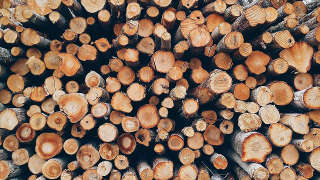
Pine timber management tracts
Timber ground is a natural fit in this part of Mississippi because pine rotations, thinning cycles, and access needs are well understood by local buyers and contractors. A tract with planted pine and a drivable road system can be managed like a business: thin it on time, control weeds where needed, and keep firebreaks clean. Those basics matter because they protect your stand and keep harvest options open. The bonus is hunting value. Thinned pine with sunlight on the ground grows browse, opens lanes for stands, and creates edge where deer like to move. If the tract also has a creek bottom, you get bedding cover and hardwood food sources in the same footprint.
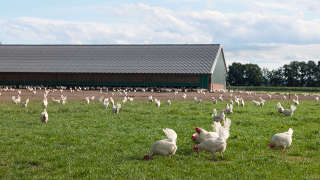
Poultry-support acreage and farm ground
Poultry is a real part of the local farm economy, and the county profile shows broilers are a major piece of livestock inventory and farm sales. That does not mean every buyer needs chicken houses, but it does mean land with the right basics can support that kind of use: good access roads, room for buffers, and enough acreage for litter management and supporting pasture or hay. Even if you are not building houses, nearby poultry infrastructure often brings steady demand for small farm tracts and working land. Practical buyers also like how these properties tend to be laid out: cleared areas for facilities, ponds for water, and plenty of surrounding woodland that can still be managed for timber or hunting.
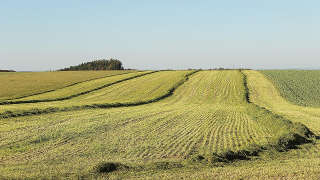
Pasture, hay, and mixed-use small farms
Not every tract needs to be a big row-crop setup to be useful. USDA data lists forage (hay and haylage) as a top crop by acres, which tracks with how many properties mix pastureland with woodland. That mix is a sweet spot for buyers who want options: run a small cow herd, keep horses, lease pasture, or cut hay while the timber grows. A mixed tract also spreads risk. If timber prices are down, you still have grazing value. If a wet year makes field work tough, you still have higher ground and woods that hunt well. Look for places with solid perimeter fencing potential, a reliable water source, and enough open ground to manage without turning your weekends into a brush war.
Are you selling land in Mississippi
From Delta Farms to Pine Hills—We Bring Buyers
Thinking about selling land in Mississippi? Whether it’s a soybean farm in the Delta, timberland in Winston County, or a recreational tract in Clarke, Tutt Land Company knows how to market and move Mississippi property.
With more than 80+ years of land-focused experience, we connect your acreage with serious buyers using proven strategies—professional videos, targeted digital ads, and promotion across national platforms and Southeast land networks. Our name is trusted from the Tennessee line to the Gulf Coast.
Don’t just list your land—sell it with experts who live and breathe Mississippi dirt.
Pine Belt Deer, Turkeys, and River Fishing on Jones County Acreage
Hunting and fishing are a big reason people buy land here, and the habitat lines up with what most outdoors folks want. Pine stands, cutover edges, and creek bottoms create natural travel corridors for deer. Hardwoods in the bottoms add mast in season, and open pine can be managed to keep understory browse where deer feed. Turkeys do well when the woods are open enough to move, especially on tracts that get regular thinning and have a mix of nesting cover and bugging areas.
Fishing is often tied to ponds on private land and to public-access stretches of the Leaf River system. A tract with a pond can be a weekend magnet if it is managed right, and river frontage adds a different kind of value, especially for folks who like to paddle, run a small boat, or just fish a deep bend in the evening. If you want a place that feels like a camp and an investment at the same time, this mix is hard to beat.

Whitetail deer
Edge habitat between pine stands and creek bottoms creates reliable movement routes and bedding cover. A tract with interior roads and a few quiet stand sites hunts better than a bigger place you cannot access clean.
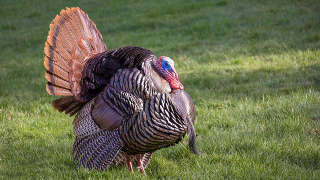
Wild turkey
Turkeys like open woods and a mix of cover for nesting and feeding. Thinned pine with sunlight on the ground and nearby bottoms can make a tract more consistent season to season.
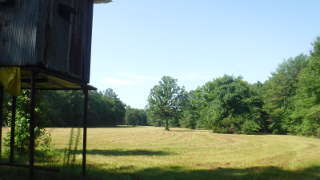
Small game
Brushy edges, young timber, and mixed woods support rabbits and squirrels for buyers who like to stay busy outside deer season. Good habitat diversity keeps the property fun, not just valuable on paper.
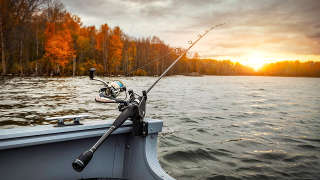
Fishing: bass, bream, catfish
Ponds and river bends can produce steady fishing for bass, bream, and catfish. Leaf River frontage or a well-managed pond adds year-round use and makes a tract feel like a true camp.
Free State of Jones History, Small-Town Life, and Practical Land Ownership
Owning land is easier when the county works for day-to-day living, not just weekend trips. Having Laurel and Ellisville in the middle of things means you can buy supplies, handle services, and still be back on the property before dark. That matters if you are maintaining roads, planting a few acres, or checking timber after a storm. It also matters for families who want a rural homesite without being an hour from everything.
The local identity is not just a slogan. The Free State of Jones story is tied to the area around Ellisville and still shows up in visitor info and local pride. You will see it in the way folks talk about independence and in how much land stays in one family name. If you are the kind of buyer who wants a place with real roots, that cultural backdrop makes the county feel like more than a dot on a map.
From a practical land-use angle, the landscape fits "do a little of everything" ownership. Woodland and pasture are both common, and that makes it normal to see tracts that can grow timber, run a few cows, and still hold a good deer population. If you want one property that can be an investment, a hunting camp, and a future homesite, this area is built for that kind of long-game plan.
Nearby Mississippi Counties for Timber, Hunting, and Farm Land Buyers
Looking just outside the county lines can open up more options on price, timber age classes, and water features. The surrounding counties share the Pine Belt feel, but each one has its own mix of river systems, timber markets, and rural communities. If you are comparing tracts, it helps to look at how access, terrain, and land use shift as you move north, west, or toward the coastal plain.
Jasper County
More Pine Belt ground with timber and hunting tracts that often include mixed hardwood bottoms. It is a solid comparison area if you want similar terrain with different price points and tract shapes.
Land for Sale in Jasper County, MississippiWayne County
A strong option for buyers who want bigger woods, more remote hunting ground, and a heavier timber feel. It is a good place to look for tracts that lean hard into pine management and wildlife habitat.
Land for Sale in Wayne County, MississippiCovington County
A practical pick for mixed-use buyers who want pasture and woodland in the same tract. It is also a smart area to compare if you are watching access to highways and nearby towns.
Land for Sale in Covington County, Mississippi