


Why Jasper County Mississippi Land Attracts Buyers
Land buyers look at Jasper County for one simple reason: it stays useful. This is a working county where pine timber, cattle ground, and small farm tracts still make sense. The terrain is mostly gentle hills with long ridgelines and branch bottoms, so most properties drain well and stay accessible after normal rains. That matters if you plan to manage timber, keep gates and roads in shape, or run a place on weekends without fighting mud every time.
Holding costs are usually manageable compared to more developed areas, and buyers like that they can own acreage without needing a plan to subdivide it. Timber income is a real factor here, especially for land that is already in pine rotation or has merchantable stands. Pasture and hay fields show up in pockets where the ground is open and the fencing is already in place. Poultry operations also fit the rural footprint, which is why you will see tracts that combine houses, buffer acreage, and room for improvements.
Access is another selling point. Interstate 59 and U.S. 11 run through the county, which helps buyers who want land that is still rural but not isolated. Small towns keep the feel grounded and local, with Bay Springs and nearby communities serving as the main hubs. If you want a place for hunting, a long-term timber plan, or a quiet home site with room to breathe, this county checks a lot of boxes without forcing you into an expensive, overbuilt market.
Pine Hills and Creek Bottoms That Add Value to Jasper County Land
Rolling pine uplands
Gently sloped uplands are common across the county and are well-suited for pine rotation and interior road systems. These areas typically dry faster than bottom ground, which helps with access and timber work. Buyers like uplands because they reduce the number of acres that stay soft after rain.
Creeks, branches, and hardwood drains
Small creeks and hardwood drains break up pine blocks and create natural travel corridors for deer and turkey. These low areas often hold mast-producing trees and thicker cover, which is useful for hunting layout. They also provide natural water sources for wildlife and livestock on mixed-use tracts.
Mixed ownership patterns and workable tract shapes
Many properties combine timber, openings, and home-site ground in a single boundary, which supports multiple uses without buying separate parcels. This layout makes it easier to separate a camp area from timber management zones. It also helps buyers plan food plots, lanes, and access without heavy clearing.
Pine Timber, Pasture Ground, and Poultry Sites for Investment Land
Loblolly pine timber tracts
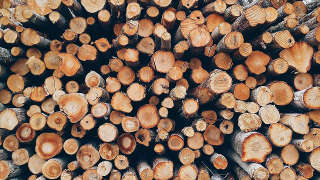
Pine timber is one of the most common land uses in the county, and it is also one of the easiest to underwrite for long-term ownership. Buyers typically look for tracts with established pine age classes, interior roads, and manageable thinning access. A well-laid-out pine property can produce periodic income through thinnings and final harvests, and it also builds hunting value as stands transition from young cover to open pine with browse and lanes. The best timber deals are the ones that already have workable access, stable boundaries, and room to add a camp, food plots, or small pasture openings without hurting the timber plan. Many buyers also like that timber helps keep taxes and holding costs in check while the land grows in value.
Pasture and hay ground
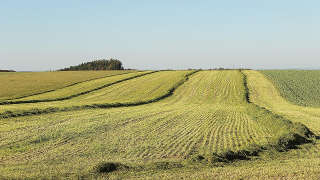
Pasture matters here because it keeps land open and usable, and it fits the rolling terrain better than large-scale row crop farming. Buyers often target tracts that already have fencing lines, gates, and enough open acreage to support cattle grazing or hay production. Even when pasture is not the primary income driver, it adds practical value: it creates food sources for deer, gives you spots for building sites, and makes it easier to maintain a road system because you are not fighting solid timber cover everywhere. Pasture also pairs well with timber ownership, since many tracts include both, letting you manage pine stands while keeping open ground productive. If a property has good water access or room to build a pond, that can push pasture value higher for both livestock and recreation.

Poultry grower sites with buffer acreage
Poultry ground is not just about the houses. The land around the operation is part of the value because it provides buffer distance, litter management space, and room for improvements like equipment storage and backup water systems. Buyers who look at poultry properties usually want a mix of open ground and timber edges so the site stays private and practical. When a tract is set up right, poultry income can help carry the property while timber grows or while the buyer develops the hunting side of the land. The key is layout and access: driveways need to handle service traffic, the site needs dependable utilities, and the acreage needs to work without crowding neighbors. For the right buyer, poultry sites can turn a rural tract into a true working investment instead of a property that only pays off when it is sold.
Are you selling land in Mississippi
From Delta Farms to Pine Hills—We Bring Buyers
Thinking about selling land in Mississippi? Whether it’s a soybean farm in the Delta, timberland in Winston County, or a recreational tract in Clarke, Tutt Land Company knows how to market and move Mississippi property.
With more than 80+ years of land-focused experience, we connect your acreage with serious buyers using proven strategies—professional videos, targeted digital ads, and promotion across national platforms and Southeast land networks. Our name is trusted from the Tennessee line to the Gulf Coast.
Don’t just list your land—sell it with experts who live and breathe Mississippi dirt.
Deer, Turkey, Hogs, and Bass That Drive Jasper County Hunting Land Demand

Whitetail deer
Deer use pine edges, cutovers, and creek bottoms as predictable travel routes, which helps buyers set stands without overcomplicating the layout. Food plots and maintained lanes can turn average timber ground into consistent hunting acreage.
Wild turkey
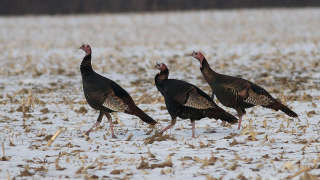
Turkey hunting improves on tracts that have a mix of open ground and mature timber, especially where understory stays manageable. Creek bottoms and logging roads often become natural travel corridors during spring season.
Feral hogs
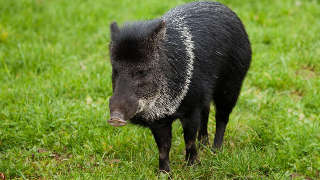
Hog presence can add hunting opportunity but also increases the need for property management and control work. Buyers who plan ahead with traps and access lanes protect food plots and reduce damage over time.
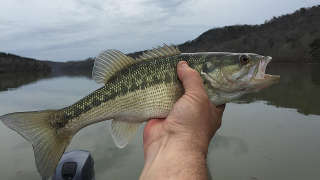
Largemouth bass
Bass fishing is usually tied to private ponds and small lakes, which is why stocked water and dam condition matter to buyers. A well-managed pond adds everyday use value, not just seasonal recreation.
Access, Dual County Seats, and Public Land Nearby That Matter to Buyers
Land for Sale Near Jasper County Mississippi in Nearby Rural Markets
Jones County
Land for sale in Jones County, Mississippi is often bought for a mix of rural home sites and recreational tracts with good access. Timber and hunting parcels remain a steady part of the market, especially where properties keep privacy without being remote.
Land for Sale in Jones County, MississippiNewton County
Land for sale in Newton County, Mississippi is a common comparison for buyers focused on timber ground and hunting cover in similar terrain. Tracts with good interior roads and mixed age-class timber tend to move faster than raw, landlocked parcels.
Land for Sale in Newton County, MississippiSmith County
Land for sale in Smith County, Mississippi appeals to buyers who want pine timber and hunting tracts with a similar rural footprint. Many buyers look for manageable acreage that supports a camp site, trails, and a long-term timber plan.
Land for Sale in Smith County, Mississippi