
Why Noxubee County Mississippi Land Attracts Buyers
Good farm ground is the first reason buyers look here. Parts of this area sit in the Black Belt, so you can find heavier soils that can produce strong corn and soybean crops when they are managed right. Cotton still shows up too. On the same tract, its common to see timber edges and creek drains that add value even if you are shopping for cropland.
Strong hunting is the second reason. The county sits next to the Sam D. Hamilton Noxubee National Wildlife Refuge, and that name carries weight with deer hunters and waterfowl folks. Private ground that has a mix of woods, openings, and wet pockets can hunt well without needing fancy extras. A lot of buyers want a place where the farm income helps cover costs and the weekends still feel like a win.
Timber buyers like the fact that you can find pine production ground and hardwood bottoms in the same neighborhood. That can spread risk and give you options. Pine can be managed on a schedule. Bottomland hardwood can add diversity, wildlife draw, and long-term value.
Daily life is simple, and that is the point for many land buyers. You are not buying this county for nightlife. You are buying it for space, quiet, and the ability to run a farm, manage timber, or hunt without somebody leaning over your fence line. If you want a place that can be worked, leased, or enjoyed without a lot of drama, this area checks that box.
Black Belt Prairies, Creek Bottoms, and Refuge Habitat That Pull Buyers
Natural features matter here because they directly affect what a tract can do for you. Prairie ground can hold serious crop potential, but it also needs the right access and timing when its wet. Creek bottoms and drains can give you hardwood, water, and a natural travel corridor for deer. And being close to the Noxubee Refuge tends to mean more habitat in the area, which matters if hunting is part of your plan.
Most buyers end up looking for a mix. High ground for roads and equipment. Lower pockets for water, hardwood, and cover. If a tract has both, it usually stays useful across seasons and across different owner goals.
Creek Bottoms and Drains
Lower ground holds moisture longer and often supports hardwood cover. Those corridors can improve deer movement and add natural shade and water on a tract.
Black Belt Prairie Soils
Heavier prairie soils can support productive row-crop farming when managed for drainage and timing. These areas can also hold up well for pasture and food plots.
Refuge-Adjacent Habitat
Proximity to managed habitat often means more wildlife in the wider area. That can increase demand for hunting tracts with water, cover, and openings.
Row Crop, Timber, Pasture, and Pond Tracts Buyers Actually Shop For
Land buyers usually come here with a practical plan. Some want straight cropland that can be leased or farmed. Others want timber that can be managed over time without a daily workload. Plenty of folks want the mixed tracts that let you do both, plus hunt. Water matters too, whether thats a pond for fishing, a spot for ducks, or a dependable water source for cattle.
For investors, the goal is simple: buy a tract that can produce value in more than one way. A place that can cash-flow through a farm lease, grow timber value over time, and still be fun to own tends to hold demand. Access, drainage, and a clean boundary line often matter more than a fancy story.
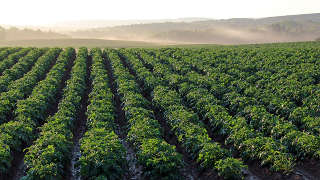
Row Crop Ground
Cropland is a core driver in this part of Mississippi, especially where fields are already shaped, drained, and accessible with equipment. A tract with clean rows, good turn areas, and dependable access roads is easier to lease and easier to run. If you are buying for income, ask about crop history, irrigation potential, and how the field behaves in a wet spring. Small details like field edges, ditches, and gate placement can decide whether a place is a pleasure or a headache.
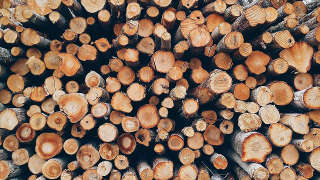
Managed Timber Tracts
Timber ground can work for buyers who want long-term value without daily farming. Pine stands can be managed on a schedule, with thinning and harvest cycles that are easier to plan. Hardwood bottoms can add diversity and improve the hunting side of the tract at the same time. When you evaluate timber, dont settle for "its wooded." Ask for stand age, stocking, species mix, and whether access is good enough for logging crews and trucks.
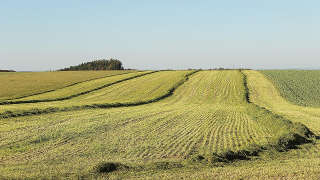
Pasture and Cattle Use
Pasture brings flexibility. It can support cattle, hay, or a simple lease arrangement, and it can also create openings that improve deer hunting. Buyers like tracts with usable fencing, solid gates, and water access, because those costs add up fast after closing. If you are looking at pasture ground, check how it drains, how it holds up to traffic, and whether you can move equipment and livestock without fighting mud all winter.
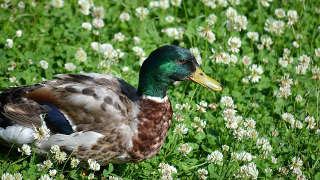
Ponds and Water Features
Water is a big value add when its built right. A good pond can support fishing, hold ducks, and provide livestock water. It can also make a hunting tract hunt better during dry stretches. Look for a dam that is solid, a spillway that makes sense, and a shoreline that is not falling apart. If the pond is a deal breaker for you, walk the edges and ask direct questions about maintenance and water levels.

Are you selling land in Mississippi
From Delta Farms to Pine Hills—We Bring Buyers
Thinking about selling land in Mississippi? Whether it’s a soybean farm in the Delta, timberland in Winston County, or a recreational tract in Clarke, Tutt Land Company knows how to market and move Mississippi property.
With more than 80+ years of land-focused experience, we connect your acreage with serious buyers using proven strategies—professional videos, targeted digital ads, and promotion across national platforms and Southeast land networks. Our name is trusted from the Tennessee line to the Gulf Coast.
Don’t just list your land—sell it with experts who live and breathe Mississippi dirt.
Deer, Turkey, Waterfowl, and Bass: Hunting and Fishing Buyers Ask About
Wildlife is a real buying reason here, not an afterthought. Habitat tends to be mixed, with timber, openings, and wet areas close together. That setup can support strong deer hunting and give turkeys the edge habitat they like. Waterfowl hunters pay attention to any tract with natural wet pockets, sloughs, or a pond that can be managed. Fishing also matters more than people admit, because a pond you can actually enjoy gets used all year.
If you are shopping for a hunting property, look past the photos. Check access, ask about pressure, and pay attention to where the water sits after a rain. Those details usually predict how the tract will hunt and how it will hold value.

White-tailed Deer
Mixed cover and travel corridors along drains can keep deer movement consistent. Fields and edges help, but thick cover and water nearby usually matter more than people think.
Wild Turkey
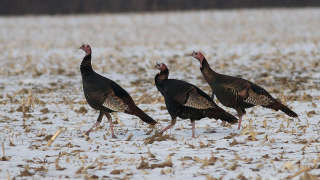
Turkeys like a mix of open ground and timber, especially where there are gentle ridges and field edges. Good access and light hunting pressure can make a small tract hunt bigger than it looks.
Waterfowl
Shallow water, wet fields, and managed ponds can create real duck opportunities. Nearby refuge habitat can also keep birds in the area longer during the season.
Largemouth Bass
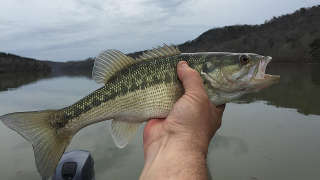
A good pond can support bass, bream, and catfish without needing a long drive. Buyers who actually use their land tend to love having fishable water on-site.
Small-Town Practicality and Room to Run: The Part Buyers Do Not Regret
Living out here is more practical than polished, and most land buyers want it that way. You can work on your place without an HOA letter showing up like a bad joke. You can run equipment, cut lanes, plant a food plot, and fix a fence on your timeline. That freedom is the real amenity. Its also a county where agriculture is still a normal part of life, so you are not the only person with a tractor, a skid steer, or a freezer full of venison.
Another plus is how well mixed-use tracts fit real life. A farm lease can help pay taxes. Timber can grow while you sleep. A pond can keep the kids busy and make the place feel like home fast. If your goal is to own land that gets used, not just stared at, that is where this county tends to shine.
Nearby Counties for Mississippi Land Buyers Comparing Options
Comparison shopping is normal when you are buying rural land. Neighboring counties can shift the mix a little, whether you want more row-crop focus, more timber, or a different market for leases. Looking at nearby areas also helps you understand pricing and demand, because the same acreage can behave differently depending on access, towns, and hunting pressure.
Oktibbeha County
More buyers look here when they want a mix of rural land and stronger pull from a larger town market. Tracts with good access can be attractive for small farms, hunting, and long-term holds.
Land for Sale in Oktibbeha County, MississippiLowndes County
Demand often leans toward workable tracts with solid access and mixed use potential. Buyers comparing hunting ground and farm lease options usually keep this county on the list.
Land for Sale in Lowndes County, MississippiKemper County
More timber-heavy options can show up here, along with hunting tracts that have privacy and room to manage. Buyers who want long-term timber value often compare this county side-by-side.
Land for Sale in Kemper County, Mississippi

